Landscape Fabric vs Porch Wire Mesh Under Decking Boards: Drainage Test
Introduction
Choosing between landscape fabric vs wire mesh under decking requires balancing the need for weed suppression against the requirement for efficient water drainage. While both materials serve as ground covers, they provide different levels of permeability and physical protection for the space beneath your structure.
This article examines the performance of these materials by comparing their drainage rates and long term durability in outdoor environments. You will find a detailed breakdown of how each option handles moisture management, weed control, and pest prevention. By reviewing these technical differences, you can determine which material best supports the structural integrity of your deck while maintaining a clean, low maintenance area underneath the boards.
Evaluating Under-Deck Ground Barriers
Choosing between a physical ground cover and structural metal screening depends on whether your priority is stopping plant growth or preventing animal intrusion. While some materials excel at suppressing weeds, others provide a rigid, chew-proof layer that functions as an effective pest barrier.
Understanding Material Functionality Beneath Decking
Landscape fabrics serve primarily as a weed suppressant by blocking sunlight, which inhibits photosynthesis for invasive plants. However, these textiles do not offer physical protection against burrowing animals that may damage the area. Conversely, metal screening functions as a structural deterrent for rodents and pests. It provides no inherent weed control, meaning it is often paired with ground coverings or organic mulch to discourage vegetation.
The choice often comes down to the specific threat your deck faces. If weeds are the primary concern, a permeable fabric is the standard tool. If you are focused on preventing rodents under deck, a rigid metal barrier is significantly more reliable. It is important to remember that neither material is a universal solution, and their effectiveness depends heavily on the surrounding soil conditions and existing pest pressure.
Defining the Scope of Sub-Deck Ground Preparation
Effective management of your deck sub-base requires careful attention to drainage requirements for deck sub-base to ensure moisture does not collect against the framing. When installing any barrier, the material must allow water to percolate into the soil rather than pooling on the surface. Trapped water can lead to increased humidity, which may accelerate the deterioration of wooden structural elements.
Consider these factors when planning your ground preparation:
- Ensure the ground is sloped away from the house to encourage natural runoff.
- Select materials that allow for moisture evaporation to prevent wood decay.
- Avoid creating pockets where standing water can settle beneath the structure.
- Check that chosen barriers do not interfere with the natural airflow needed to keep the area beneath the joists dry.
By balancing the need for weed control with the necessity of maintaining proper drainage, you prevent the common issue of moisture buildup that can compromise your deck foundation. Proper site grading remains the most critical step before applying any surface barrier.
Weed Suppression and Moisture
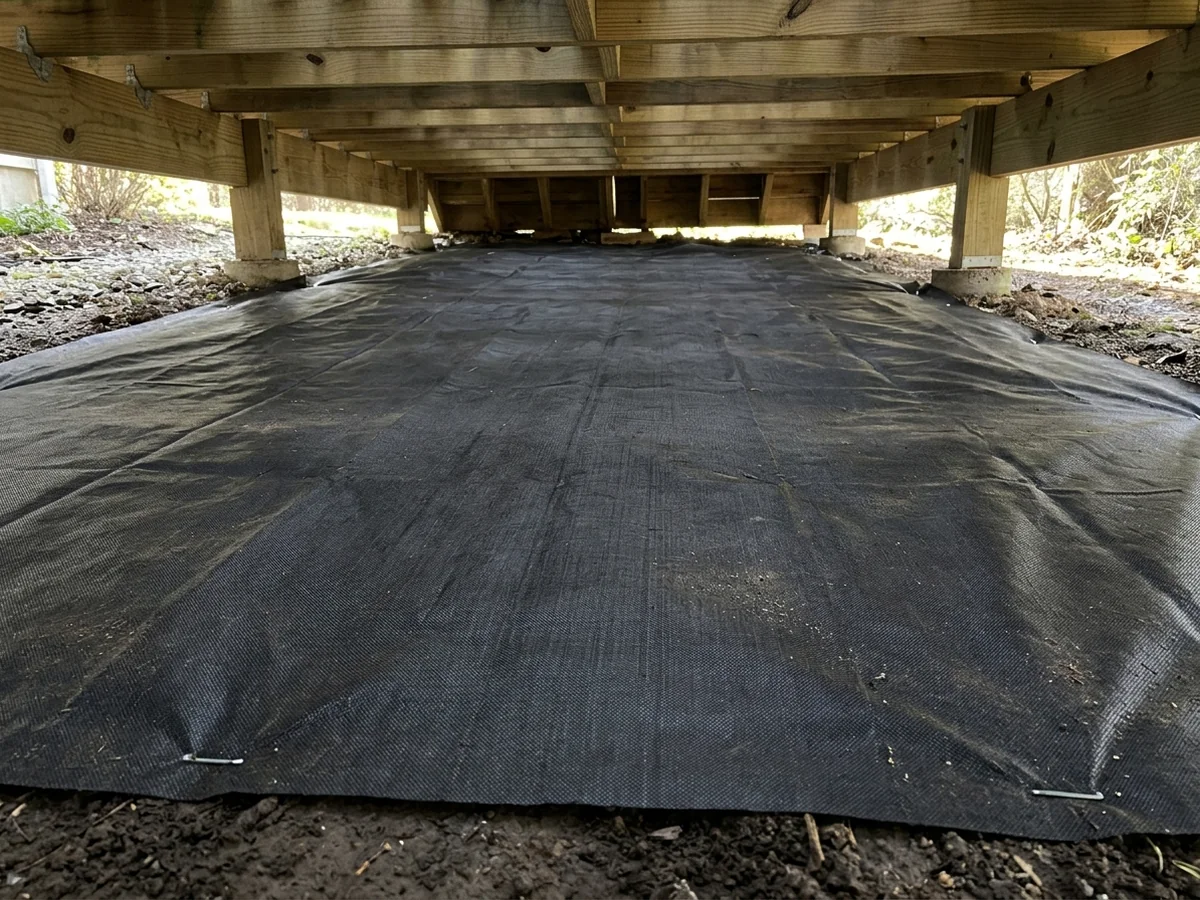
Landscape fabric functions as a physical barrier that restricts light reaching the soil, effectively preventing photosynthesis in weeds. By blocking sunlight, the material forces dormant seeds to stay inactive. This is a common method for keeping the area beneath your structure clear of unwanted vegetation.
However, non-woven landscape fabric can sometimes trap moisture if drainage is poor. Because these materials act as a filter, they may collect fine silt and sediment over time. As these particles accumulate, the ability of the fabric to allow water to pass through decreases, potentially leading to pooling beneath your deck boards.
Wire mesh, on the other hand, does not stop weed growth on its own. While it provides a sturdy grid, it lacks the density to block sunlight or prevent seeds from germinating in the soil below. If you choose this option, you must pair it with a secondary cover to achieve the best material for under deck weed control.
- Use a secondary layer of gravel or stone over the wire to shade the ground.
- Ensure the soil is properly graded to promote water runoff away from the foundation.
- Avoid placing fabric in low spots where water naturally settles, as this accelerates the clogging process.
When selecting your barrier, consider how your soil type influences drainage. If your ground is prone to staying wet, a dense fabric might complicate moisture management. A combination approach often yields the best results, using a permeable layer for weed suppression while maintaining sufficient space for water to move away from your joists.
Pest and Rodent Prevention
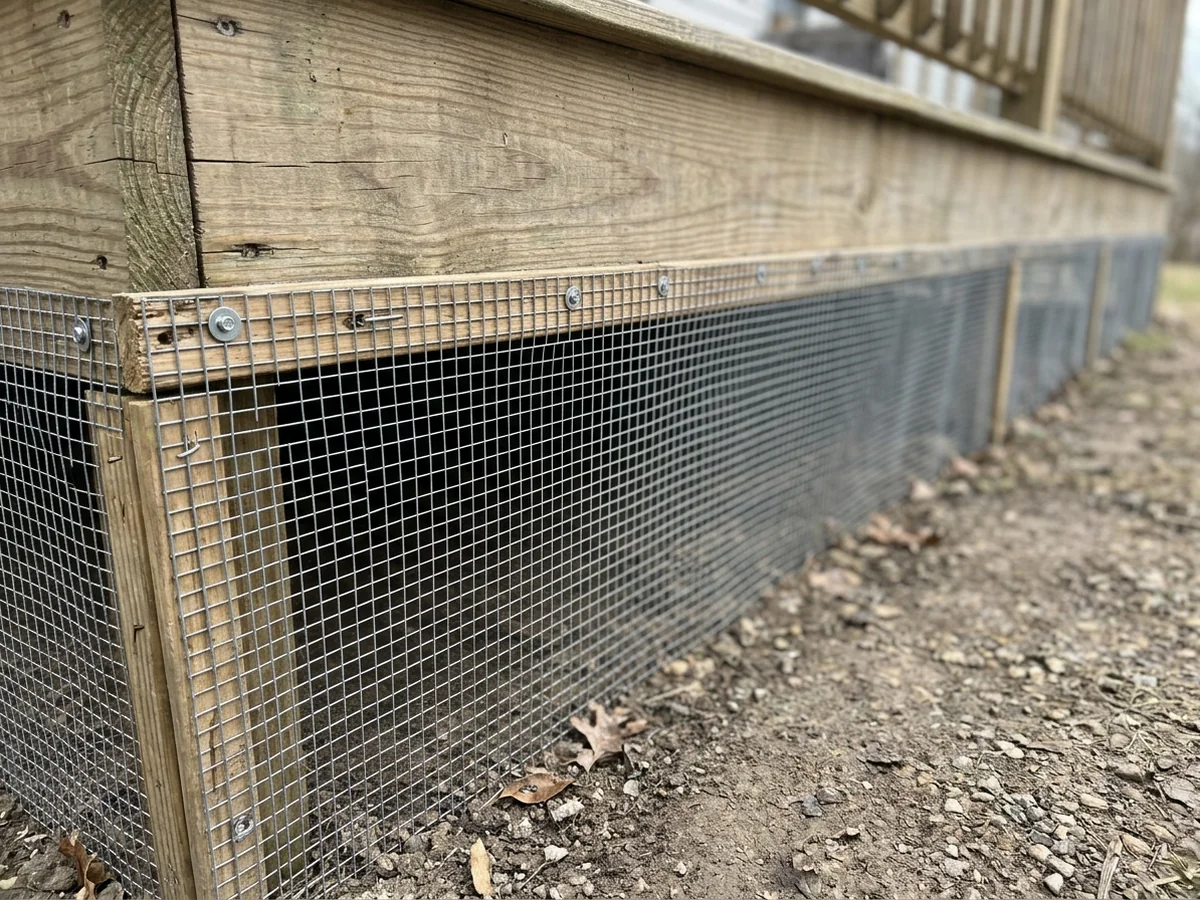
Hardware cloth serves as a superior mechanical barrier for preventing rodents under deck structures, whereas fabric materials provide no reliable defense against determined animals. While wire mesh creates a rigid physical obstruction, soft barriers are easily compromised by burrowing pests.
Steel mesh offers necessary mechanical strength because it maintains its structural shape even when subjected to persistent gnawing or digging. Rodents are physically incapable of chewing through galvanized steel or stainless steel wire grids, making this material the most effective option for excluding wildlife from the space beneath your decking boards.
In contrast, fabric barriers are highly vulnerable to burrowing animals. Small mammals often tear, shred, or push through these materials to create nests or access hidden areas beneath your joists. Once the integrity of a fabric sheet is breached, it fails to function as a deterrent, leaving the sub-deck area open to further intrusion.
When choosing materials to secure your outdoor space, consider these functional differences:
- Steel mesh acts as a permanent physical wall that stops animals from entering or nesting beneath the framing.
- Fabric materials lack the tensile strength required to discourage digging and are often ignored by rodents.
- Rigid barriers ensure long term exclusion, while thin membranes typically require frequent repairs once initial damage occurs.
Always prioritize material durability when selecting your barrier. While fabric is often installed to manage weeds, it should never be relied upon as a substitute for secure, metal-based pest exclusion methods. Using the correct hardware ensures that your deck remains a private space free from unwanted visitors.
Material Durability and Corrosion
Metal meshes generally offer superior structural longevity compared to synthetic fabrics when placed under a deck. While fabrics may degrade or lose permeability over time, metal options provide a rigid barrier that maintains its physical shape for longer periods.
Synthetic materials used for weed suppression can become clogged with fine silt and sediment. This accumulation often reduces drainage efficiency after a few years, potentially leading to water pooling beneath the structure. Conversely, metal grids do not trap fine particles in the same way, allowing for more consistent water movement away from the joists.
Environmental conditions play a significant role in the degradation of these materials. High humidity levels and acidic soil can accelerate the breakdown of certain coatings on metal. In coastal climates, where salt air is prevalent, selecting the right metal is critical. Galvanized steel hardware cloth is a common choice, but it remains susceptible to oxidation when exposed to moisture over extended durations. Stainless steel mesh serves as a more resilient alternative in these harsh environments, as it offers enhanced resistance to the corrosive effects of salt and dampness.
When choosing between these options, consider the potential for chemical reactions with your framing materials. Pressure treated lumber often contains preservatives that may interact with certain metals, especially in damp conditions. If you choose metal, ensure the gauge and material type are compatible with your specific deck environment. Fabric options avoid this chemical interaction entirely but lack the physical strength to prevent pests from chewing through the barrier. Ultimately, your selection should balance the need for long term weed suppression with the specific moisture and soil conditions present in your backyard.
Compatibility With Deck Framing
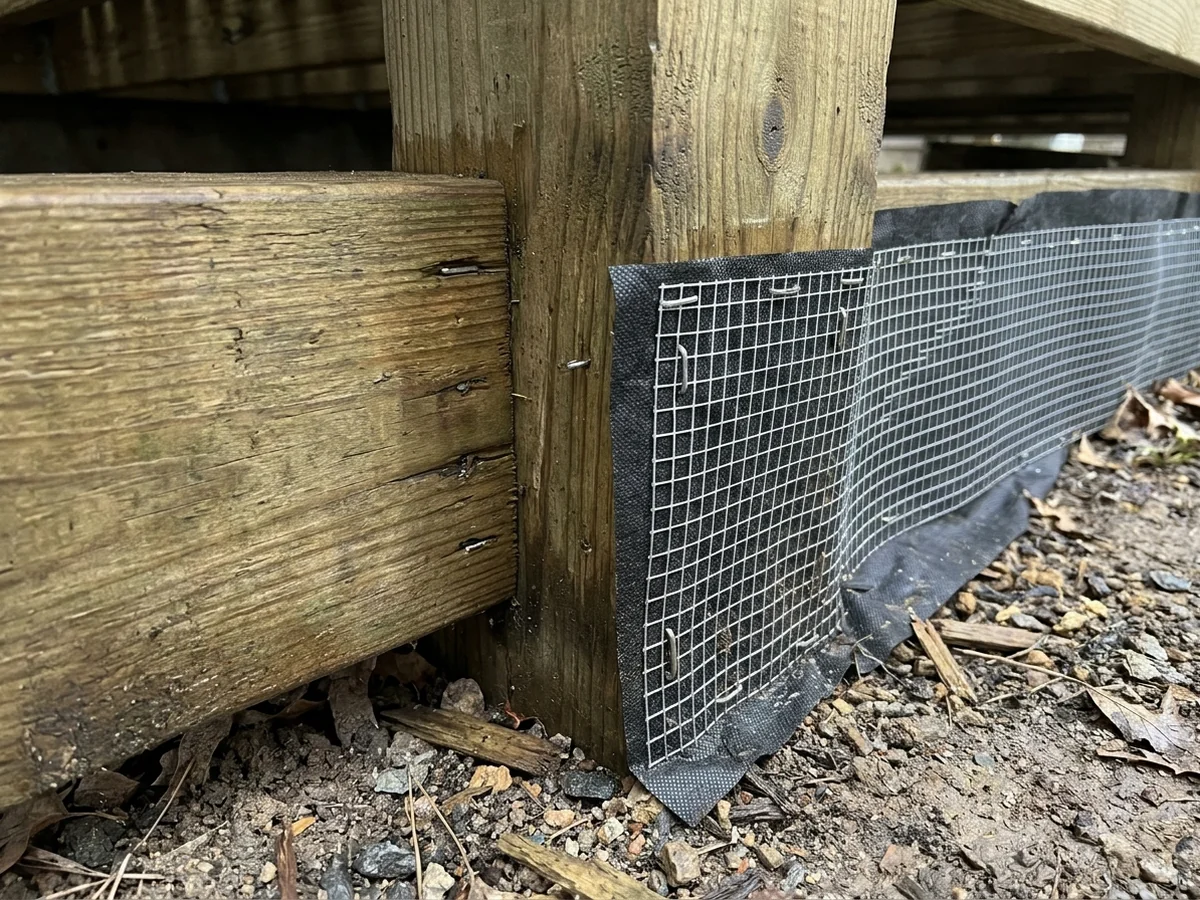
Choosing between metal mesh and fabric depends largely on how these materials interact with your deck’s structural components. While mesh offers durability, it requires careful installation to avoid chemical reactions and moisture traps that can compromise your pressure treated lumber.
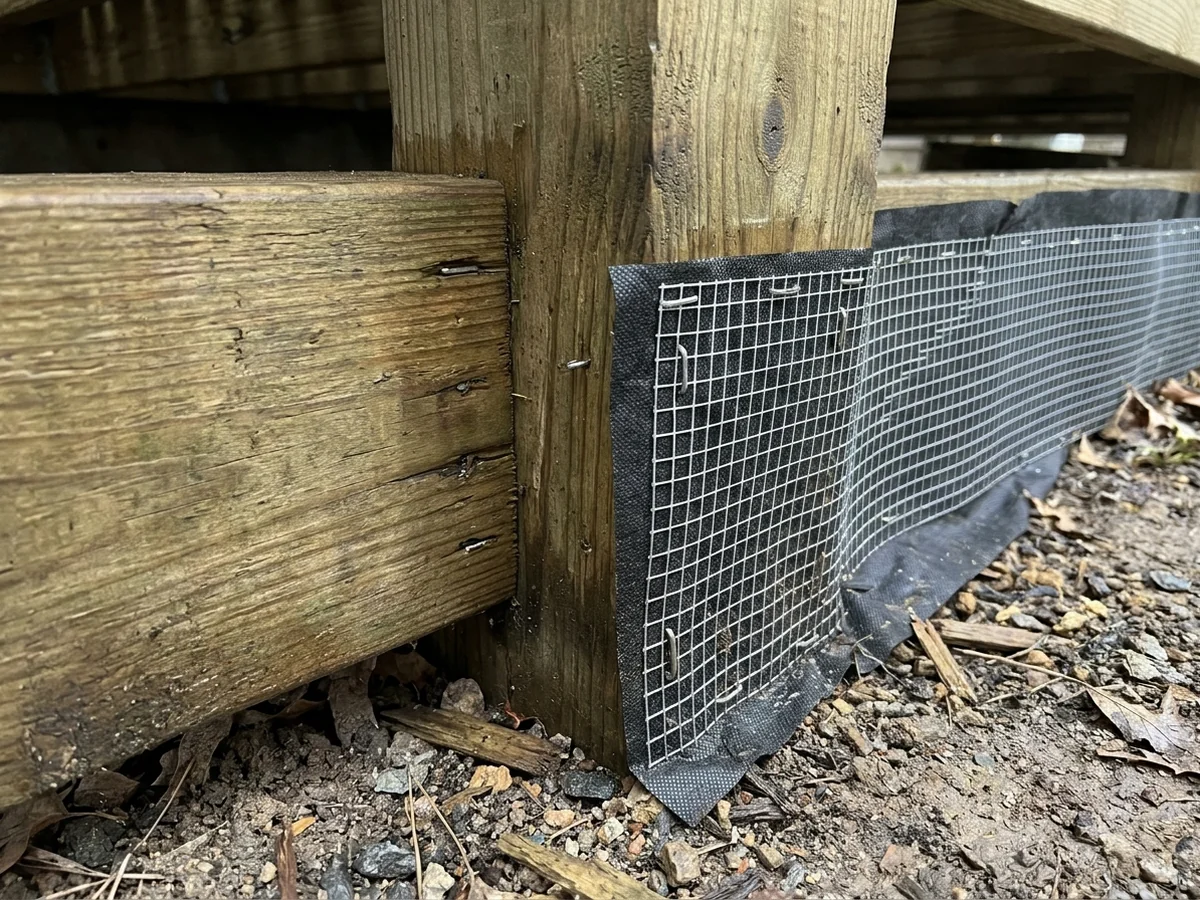
Copper azole wood preservatives, commonly found in modern pressure treated lumber, can be corrosive to certain metals. If you choose a metal barrier, you must ensure it does not come into direct contact with the joists. Fastening the mesh to the sides or bottom of the frame with non-corrosive staples or screws, while maintaining a slight gap, prevents the accelerated degradation of the wood and the metal itself.
Physical spacing serves two vital purposes for the longevity of your deck. First, it prevents the chemical interaction between the wood treatment and the metal. Second, it allows for consistent airflow. If the material rests directly against the joists, it can create a localized moisture pocket. This trapped humidity significantly increases the risk of rot or mold growth, which can shorten the lifespan of your framing significantly.
Permeability differences between these two options also influence how moisture moves around your joists. Non-woven fabric acts as a filter that allows water to pass through while keeping debris out. However, if the fabric becomes clogged with silt or fine sediment over time, it may slow evaporation rates. This leads to a consistently damp environment directly beneath the boards. In contrast, wire mesh provides minimal resistance to air movement, which generally helps keep the joists drier.
Consider these points when selecting your barrier:
- Maintain a physical buffer between metal components and treated lumber to avoid galvanic or chemical corrosion.
- Ensure adequate ventilation by leaving a small gap between the underside of the joists and your chosen material.
- Monitor the permeability of fabric barriers, as sediment buildup can trap moisture against the wood framing.
- Prioritize high-quality, corrosion-resistant metals if you live in a coastal area where salt air accelerates the breakdown of standard materials.
Choosing Between Fabric or Mesh
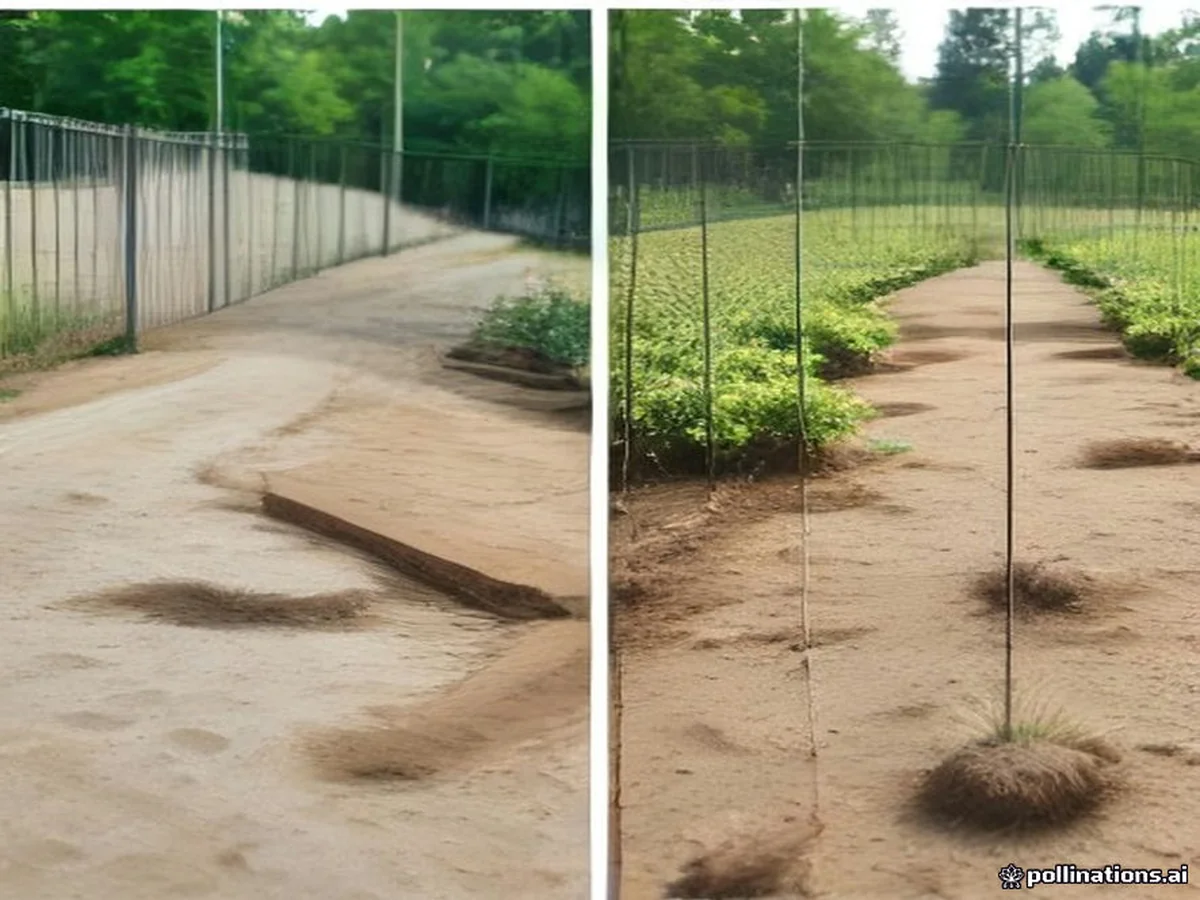
Selecting the optimal barrier for the area beneath your deck requires a careful evaluation of your primary goals, whether you are prioritizing weed suppression or structural protection against pests. Comparing landscape fabric vs wire mesh under decking often comes down to matching the material properties to your specific site conditions, such as local soil composition and moisture levels.
| Feature | Landscape Fabric | Wire Mesh |
|---|---|---|
| Drainage Rate | Variable (potential for clogging) | High |
| Weed Control | High | Low |
| Rodent Resistance | Low | High |
Landscape fabric, often categorized as a geotextile, functions by creating a physical light barrier that inhibits photosynthesis, which is a common method for stopping weeds from growing through deck boards. When selecting these materials, builders often reference the ASTM D4751 geotextile standard, which provides a methodology for measuring the apparent opening size of the material. This measurement is critical because it determines how effectively the fabric allows water to pass through while filtering out fine soil particles.
A common mistake is choosing a material that is too tightly woven for heavy clay soils. This can lead to water pooling beneath the structure and potential drainage issues. Conversely, wire mesh, such as galvanized steel hardware cloth or stainless steel alternatives, serves a different purpose. It is often the preferred choice for preventing rodents under deck structures, as animals can sometimes penetrate non-woven landscape fabrics.
Wire mesh does not inherently stop weed growth. To achieve effective weed suppression when using mesh, you must typically add a secondary layer, such as a thick application of gravel or stone, to block sunlight. A significant technical consideration is the compatibility of these materials with your framing. Pressure treated lumber frequently utilizes copper azole wood preservatives, which may trigger chemical reactions when in direct contact with certain metals. In high humidity or coastal environments, stainless steel mesh is often selected over galvanized steel to mitigate the risk of corrosion.
To determine the best material for under deck weed control, assess the environment. If your site is prone to burrowing pests, prioritize hardware cloth, but ensure you also address weed growth through a base layer of stone. If pests are not a concern and weed management is your primary objective, a high-quality geotextile provides superior coverage, provided it is installed with sufficient slope to manage drainage requirements for the deck sub-base. Always avoid layering multiple materials without accounting for how they might trap moisture against joists, as consistent humidity can accelerate the degradation of wood components.
Common Installation Errors Compared
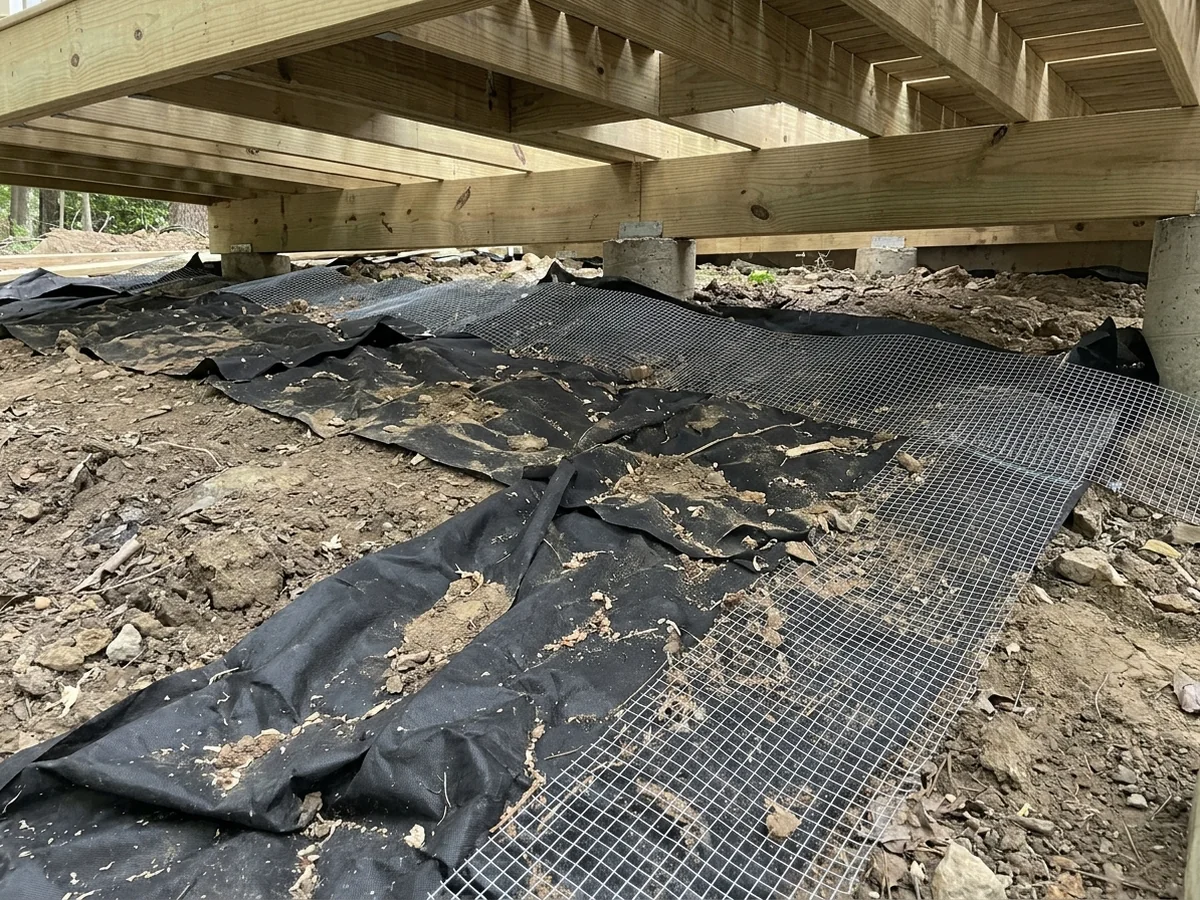
The most frequent mistakes when installing ground barriers involve improper overlapping, inadequate fastening, and failure to account for site grade. These errors undermine the performance of both fabric and metal barriers, often leading to premature failure or structural moisture issues.
Following correct installation protocols is essential to ensure your chosen barrier functions as intended throughout its lifespan.
- Failing to provide adequate overlap between sections of ground cover creates gaps that allow weeds to push through the barrier with ease.
- Loose or improperly secured wire mesh leaves perimeter gaps, effectively inviting rodents and other pests to bypass the barrier and nest under your decking.
- Ignoring the natural drainage slope during the initial setup often leads to water pooling against foundation elements, which can cause long term moisture damage.
- Relying solely on wire mesh for weed suppression without a secondary layer of gravel or mulch will not stop unwanted plant growth from reaching the surface.
- Using metal fasteners that are incompatible with pressure treated wood can accelerate corrosion and weaken the overall integrity of the substructure.
- Neglecting to clear debris from the ground surface before laying down materials can create uneven pressure points, leading to tears in fabric or sagging in metal grids.
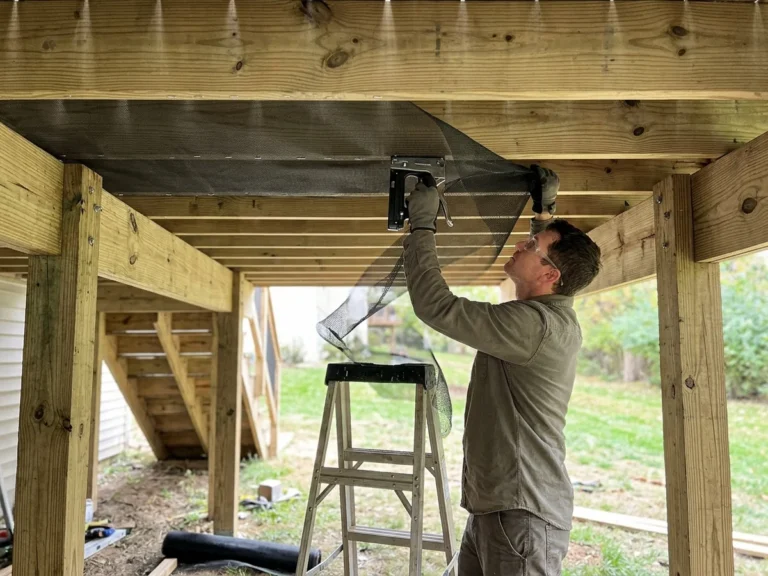
When installing non-woven landscape fabric, ensure you follow manufacturer guidance regarding width of overlaps to maintain a consistent barrier. If you choose to install hardware cloth, use heavy duty staples or washers to keep the material pulled taut against the joists. Regardless of the material, always check that the soil grade slopes away from the house to facilitate proper runoff. If water remains trapped beneath your structure, you risk creating a damp environment that encourages mold and wood decay. Taking the time to secure these edges and align the drainage plane prevents common headaches that arise after the deck boards are installed.
Expert Advice on Material Selection
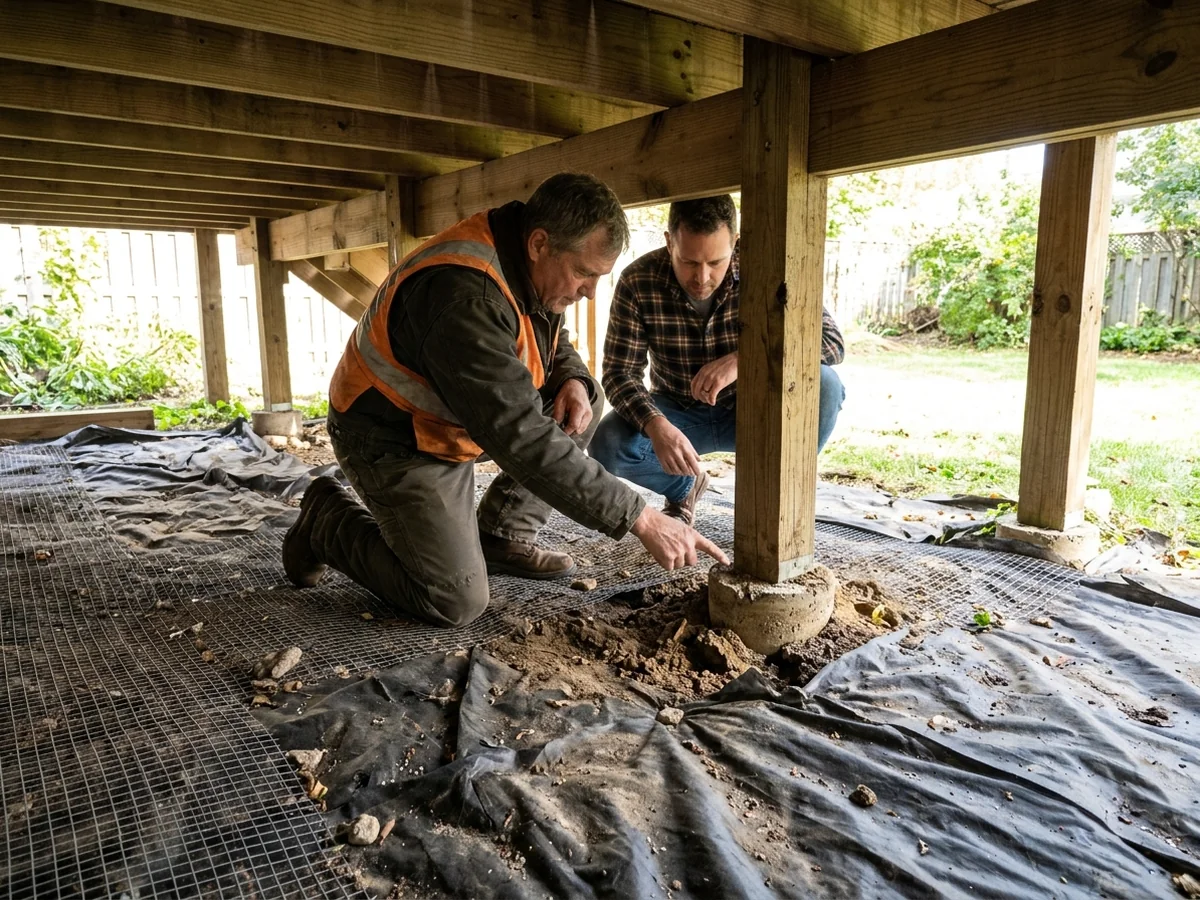
Consult a professional engineer or a local building official when managing terrain with significant slopes or recurring erosion issues. These experts can evaluate site-specific factors such as soil stability and water runoff patterns that standard material choices may not address effectively.
Local building codes often dictate the use of specific sub-deck materials, particularly regarding fire resistance and pest management. Before starting your project, check your municipal requirements to ensure your chosen ground cover meets regional safety standards. Some jurisdictions have strict regulations on how materials interact with foundation walls or support posts, and failing to comply can result in failed inspections or structural concerns.
For large-scale structural modifications, seeking expert input is necessary to prevent long-term damage. Significant changes to the area beneath your deck can alter how moisture interacts with the support structure, potentially impacting the longevity of the framing. A professional can provide guidance on the following when you plan your build:
- Identifying soil types that require specialized drainage solutions beyond standard geotextiles or mesh.
- Determining the compatibility of metal screening with the specific preservatives found in treated lumber.
- Calculating the necessary clearance to maintain proper airflow and prevent rot in joists and beams.
- Developing a comprehensive plan for handling runoff in low-lying areas where water collection is a primary concern.
While DIY research is a helpful starting point, large projects involve variables that affect the overall integrity of the deck. Engaging with a qualified contractor or structural specialist ensures that your ground preparation serves its purpose without creating secondary problems like trapped moisture or accelerated material degradation. Relying on verified professional guidance helps balance the need for weed control with the critical requirements for deck ventilation and structural stability.
FAQ
Which material stops weeds better?
Landscape fabric acts as a physical barrier to block sunlight, which inhibits weed germination more effectively than wire mesh alone. While hardware cloth vs landscape fabric under deck discussions often highlight the durability of metal, wire mesh does not prevent weeds unless it is paired with a layer of gravel or landscaping mulch.
Which material lasts longer under a deck?
Stainless steel or galvanized steel wire mesh generally offers superior long term durability compared to non-woven landscape fabric. Fabrics can degrade over time due to environmental exposure or clogging with sediment, whereas metal mesh typically maintains its structural integrity unless it encounters corrosive soil conditions.
Does landscape fabric cause water pooling under decks?
Landscape fabric can restrict water flow if fine sediment clogs the material, potentially leading to drainage issues. Proper drainage requirements for deck sub-base involve ensuring the ground is graded correctly before installing any barrier to prevent water from accumulating near the foundation.
Is wire mesh better for keeping pests out?
Wire mesh is significantly more effective at stopping animals from living under deck structures because it provides a rigid physical barrier that they cannot chew through. Landscape fabric is often vulnerable to burrowing creatures that can easily tear or tunnel through the material to gain access to the space beneath the decking boards.
How do I choose between these materials for my deck?
Your choice depends on whether your priority is preventing weed growth or blocking pests from entering the crawl space. Many builders use a combination approach, installing wire mesh for pest control and covering it with aggregate to suppress weeds, rather than relying on landscape fabric for structural ground cover.
Conclusion
The primary decision point hinges on whether your priority is long-term weed suppression or effective physical pest exclusion. If site conditions require a barrier against plant growth, a high-quality geotextile is often preferred, whereas hardware cloth serves as the better choice for preventing rodent entry. Carefully evaluate your specific site drainage needs and local pest activity before finalizing your choice in the landscape fabric vs wire mesh under decking debate. Most successful installations benefit from a layered approach, potentially combining a weed barrier with an upper layer of gravel to ensure both durability and optimal moisture management.
You might also like: Bottom Screen Guard Rails: Preventing Dogs from Pushing Through Porch