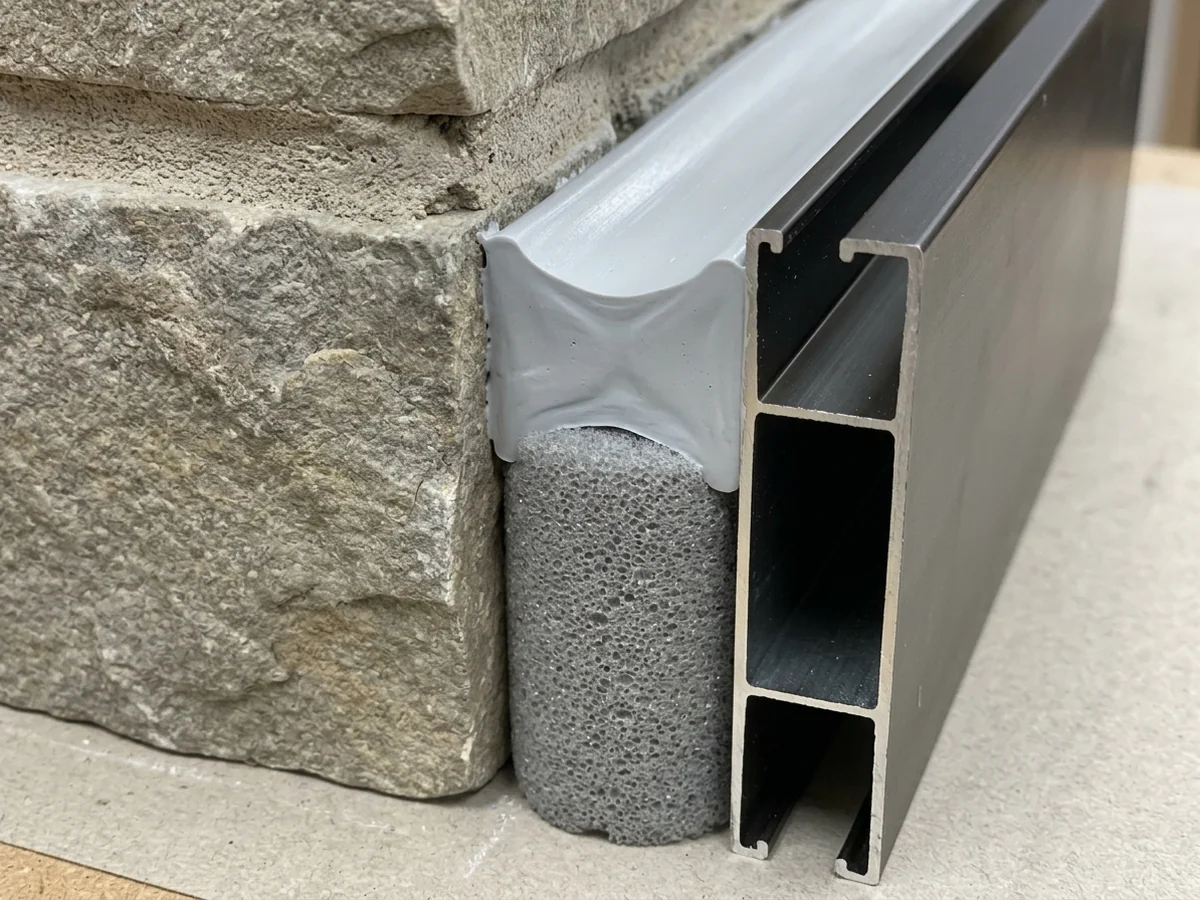
Foam Backer Rods: Filling Odd Gaps Between Irregular Stone Walls and Screen Rails
Introduction
You can effectively bridge the foam backer rod gaps stone wall screen rails by selecting a flexible material that conforms to uneven masonry textures. This approach ensures a stable foundation for exterior sealants, preventing common issues like premature bond failure between natural stone and metal framing.
This guide covers the technical requirements for sealing irregular joints in exterior environments. You will learn how to choose the appropriate diameter for variable gaps, prepare masonry surfaces for long-term adhesion, and install materials to maintain consistent sealant depth. We also address the specific challenges of working with rigid screen rails against high-texture stone surfaces, providing the clarity needed to achieve a durable, weather-resistant finish.
Evaluating Stone Wall Screen Rail Interfaces
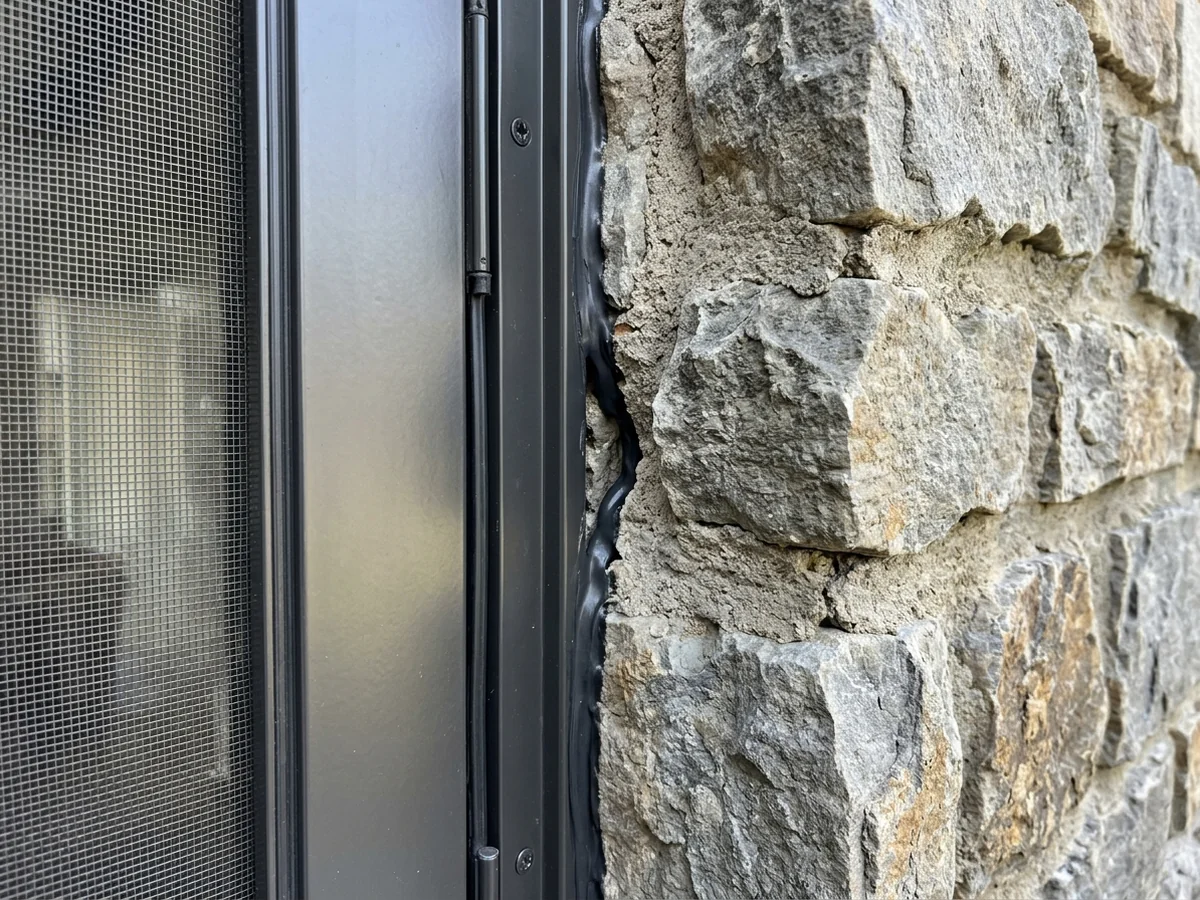
Mating rigid aluminum screen rails with highly textured stone surfaces creates significant challenges because the irregular profile of the masonry prevents a flush, uniform connection. Unlike smooth surfaces, natural stone features deep crevices and varying projections that make sealing gaps between the two materials difficult without proper planning.
Variable gap widths across these interfaces complicate both weatherproofing and visual continuity. Because the space between the rail and the wall can fluctuate from hairline cracks to wide openings along a single run, a static approach to sealing often fails. Achieving a consistent look requires addressing these shifts in dimension to prevent moisture intrusion and maintain a finished appearance.
Establishing a solid foundation for your exterior assembly depends on proper joint design, which serves as the primary barrier against the elements. When you are sealing gaps between stone wall and screen rail, the objective is to create a durable, weather-resistant transition that allows for natural material movement. A poorly designed joint often leads to premature failure as the stone and aluminum expand or contract at different rates.
You can optimize your installation by focusing on these core elements of joint performance:
- Selecting a compatible backer material that accommodates the varying dimensions of uneven masonry edges.
- Ensuring the depth of the joint is sufficient to support the sealant without allowing it to bond to three sides of the gap.
- Cleaning stone surfaces thoroughly to remove dust and loose particles, which is critical for long-term adhesion.
- Choosing an exterior sealant for stone and aluminum that maintains flexibility under fluctuating temperatures.
By prioritizing the structural integrity of the joint, you prevent the common pitfalls associated with mixed-material construction. Proper preparation ensures that the sealant performs as intended, shielding your enclosure from water while providing a clean, professional transition between the rugged texture of your stone and the clean lines of the aluminum framing.
Why Foam Backer Rods Are Essential for Exterior Stone and Metal Joints
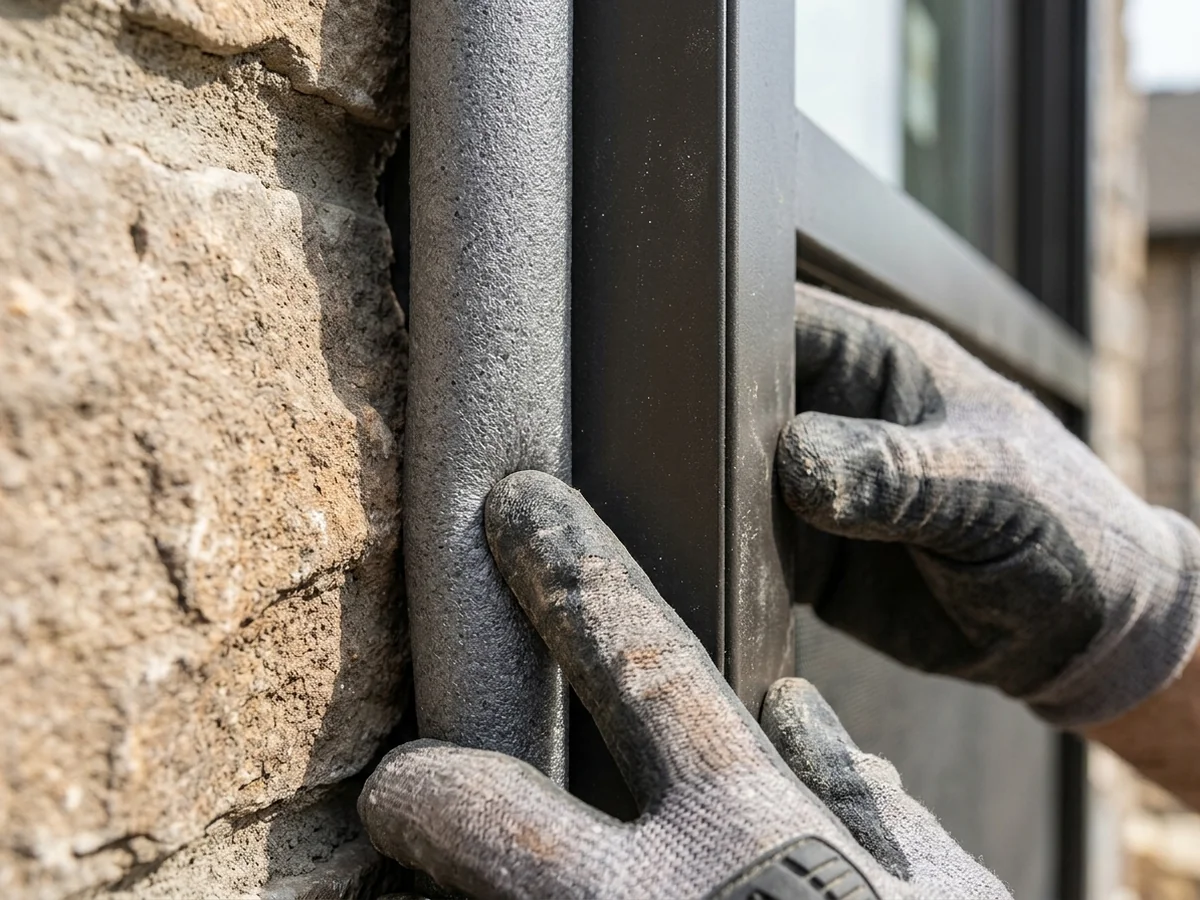
Foam backer rods function as a foundational support system that controls the depth of your sealant and prevents it from bonding to the bottom of the joint. By acting as a physical spacer, these rods allow you to manage the exact amount of material required, ensuring a cost-effective and precise application when using exterior sealant for stone and aluminum.
The primary role of the rod is to serve as a bond breaker. This is critical because sealants are designed to stretch and compress between two sides of a joint. If a sealant adheres to the back of the gap as well as the sides, it loses its ability to move freely. This restricted movement often leads to tearing or premature separation from the stone or metal surfaces over time.
Structural movement presents a specific challenge when connecting natural stone masonry to metal screen rails. Because stone and metal expand and contract at different rates when temperatures change, the joint must remain flexible to avoid failure. The backer rod maintains the integrity of the sealant bead by ensuring it only sticks to the two opposing faces of the gap, accommodating the natural shifting of the materials without losing its seal.
Selecting the right product for your specific installation helps ensure long-term performance. You should consider these key functions during your project:
- Defining the precise depth of the sealant joint to prevent over-consumption.
- Providing a firm backing that allows you to tool the sealant against the surface for better adhesion.
- Creating a clean, consistent interior profile that supports the expansion and contraction cycles of both the stone and the screen frame.
Proper installation involves compressing the rod into the gap so it remains stable. This mechanical fit ensures the rod stays in place while you apply the sealant. Without this support, the sealant may sag or slump, creating an uneven finish that is prone to moisture infiltration and eventual degradation.
Managing Natural Stone Edges And Gaps
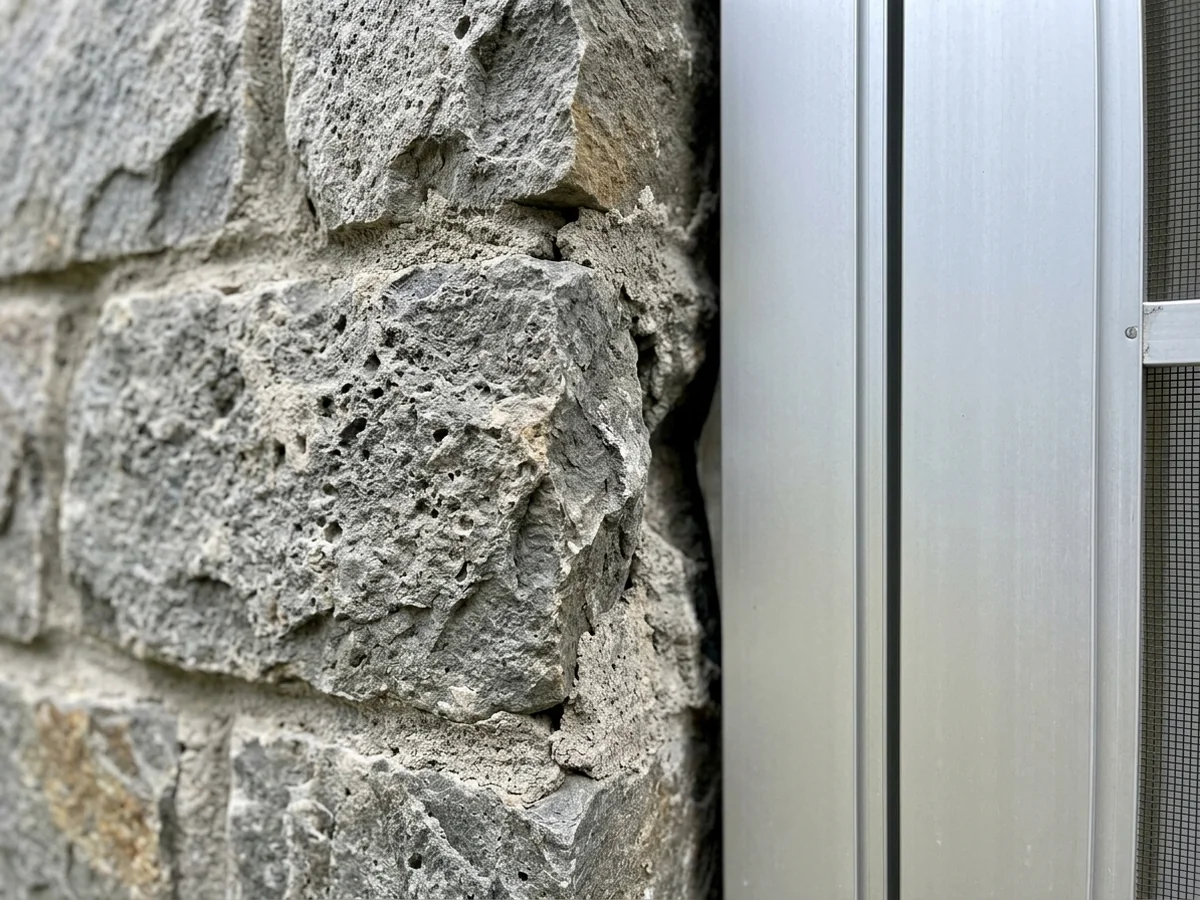
Successfully sealing the transition between natural stone and screen rails requires addressing the high porosity of the stone and the extreme variance in gap width. Natural stone often features an uneven, textured face that creates a fluctuating joint, whereas manufactured stone tends to be more uniform and less porous.
Natural stone surfaces often contain microscopic voids that can compromise sealant adhesion. You must thoroughly clean these masonry edges to remove all loose dust, grit, and debris before applying any materials. Using a stiff-bristled brush or compressed air is usually effective for preparing these surfaces. If the stone is overly porous, applying a primer specifically formulated for stone masonry may be necessary to ensure a reliable bond.
Addressing fluctuating joint widths along a single screen rail length requires a flexible installation approach. Because the distance between the metal rail and the stone face changes, you should select a material that provides enough give to accommodate these shifts without losing its seal. Using the best backer rod for irregular stone gaps allows you to maintain consistent depth for the sealant, which is critical for long-term performance.
When installing the rod into a variable gap, you may need to adjust the compression manually. If the gap widens significantly, choose a larger diameter rod to ensure it stays firmly in place. Conversely, in tighter sections, you might need to slightly reduce the rod size or compress it further to ensure it sits deep enough to allow for the appropriate volume of sealant.
- Inspect the entire length of the rail to identify the widest and narrowest points of the gap.
- Ensure the backer rod is pushed to a uniform depth so the sealant thickness remains consistent.
- Avoid over-stretching the rod during installation, as this can cause it to pull away from the joint edges over time.
- Verify that the sealant remains compatible with both the metal screen rail and the specific type of stone being sealed.
Selecting the Correct Backer Rod Size for Uneven and Fluctuating Gaps
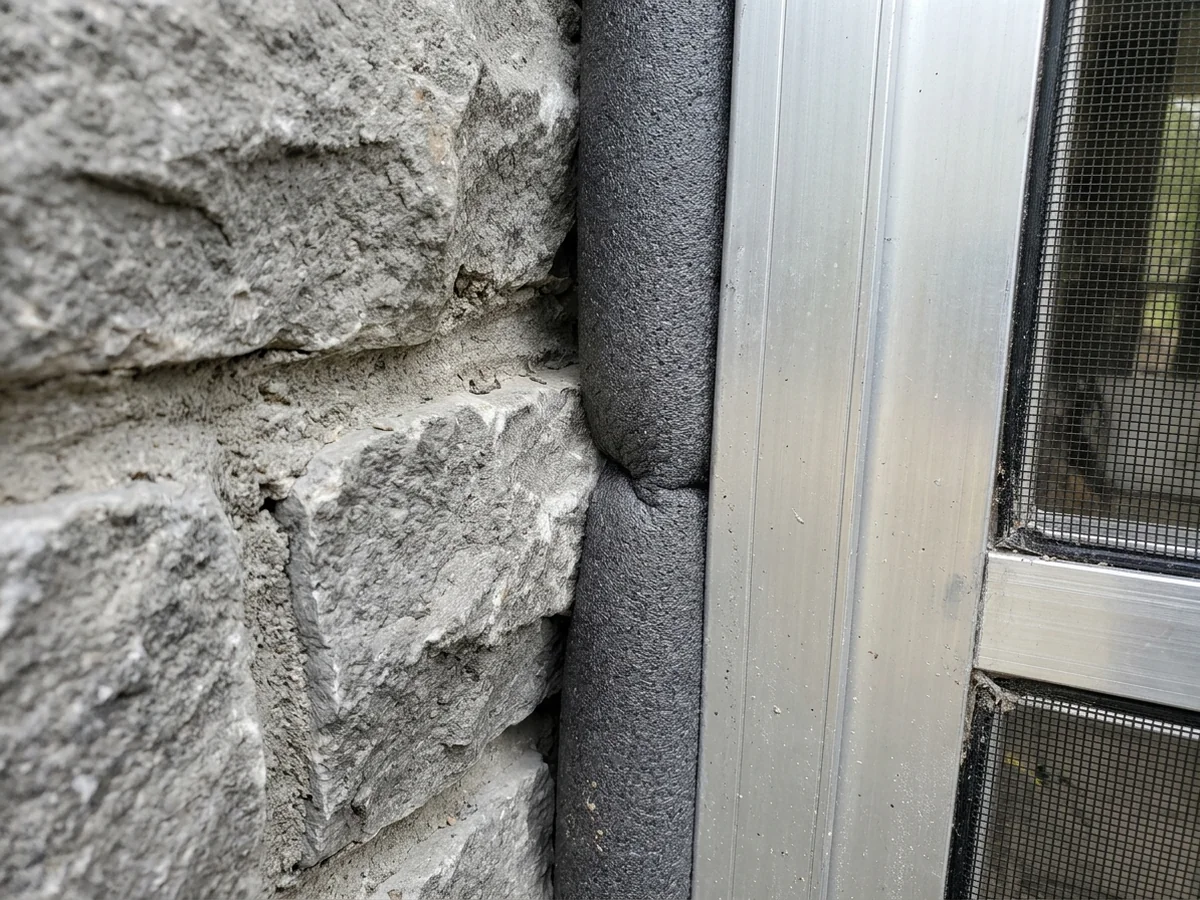
To choose the right backer rod size for uneven joints, select a diameter that is larger than the gap width to ensure the material remains firmly in place through compression. When working with the inconsistent edges of a stone wall meeting a straight screen rail, you must account for the widest and narrowest points to maintain a consistent depth for your sealant.
| Material Type | Common Use Case | Surface Compatibility |
|---|---|---|
| Closed-cell foam | Exterior joints | Non-absorbent surfaces |
| Polyethylene foam | General gaps | Standard masonry |
| Bi-cellular foam | Custom applications | Mixed material types |
You can effectively manage varying dimensions by checking the manufacturer specifications for recommended compression ratios. Proper compression is vital because it creates enough friction against the stone and metal to prevent the rod from shifting or rolling during the application of your exterior sealant for stone and aluminum. Because stone surfaces often feature deep textures, you may need to adjust the rod position frequently to ensure the depth of the joint remains uniform along the entire length of the screen rail.
Always ensure the gap is free of loose debris before testing the fit of different diameters, as a clean surface is necessary for the rod to grip the stone effectively. If the joint width fluctuates beyond the range of a single rod size, it is often necessary to use multiple pieces or transition between sizes to maintain consistent performance and prevent three-sided adhesion in stone masonry.
Avoiding Three Sided Adhesion In Joints
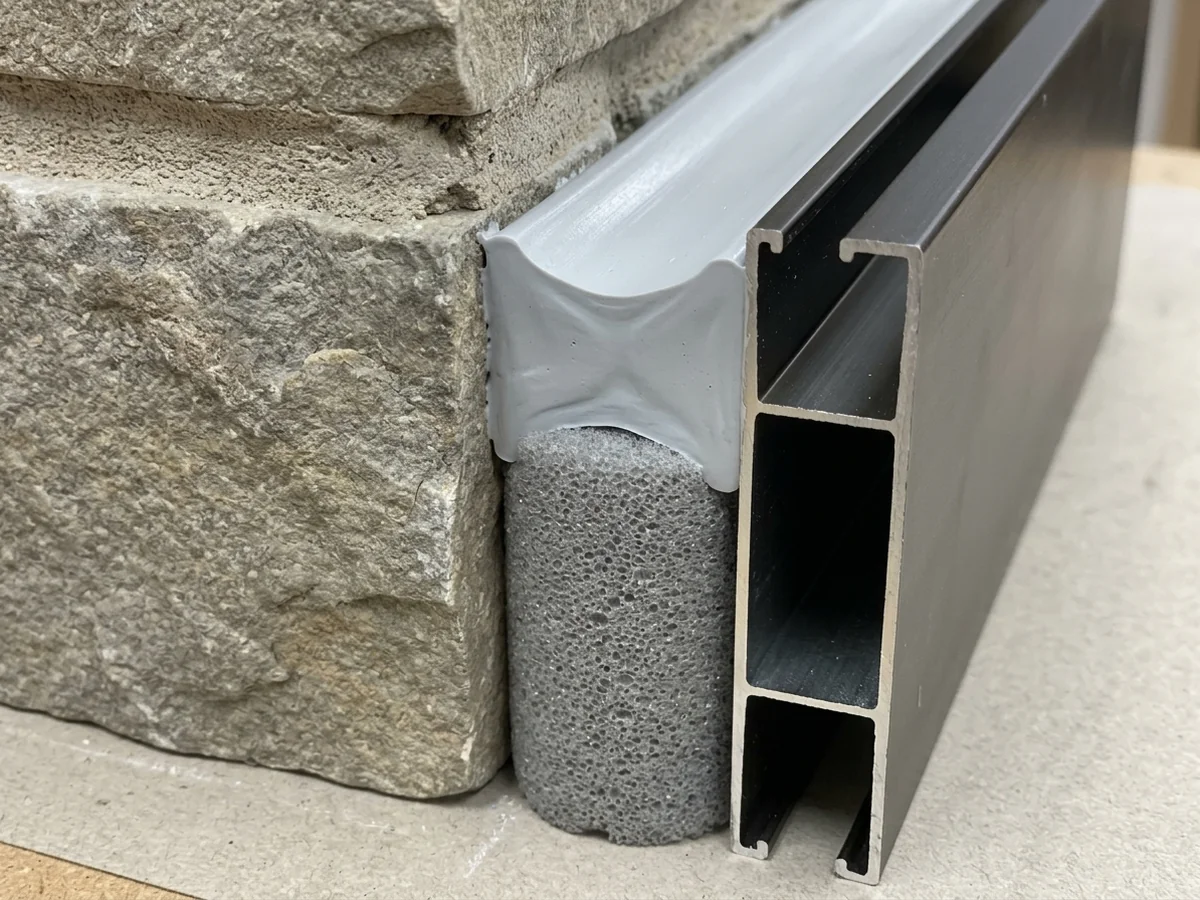
You avoid three-sided adhesion by using a backer rod to isolate the sealant, ensuring it only bonds to the two opposing joint flanks. When sealant attaches to three surfaces, such as the two sides of a gap and the bottom, it loses the flexibility needed to handle thermal movement.
In the context of preventing three-sided adhesion stone masonry, the backer rod acts as a mechanical bond breaker. Without this separation, the material is tethered to the base of the joint. As the stone and screen rails expand or contract at different rates due to temperature fluctuations, this rigid connection often leads to premature tearing or failure of the sealant bead.
For irregular gaps, maintaining this independent movement is critical for the long-term success of the seal. By creating a depth-controlled cavity, the backer rod allows the sealant to stretch and compress freely between the stone and the rail. This ensures that the material focuses its physical stress on the sides of the joint, which is the intended design for exterior weatherproofing.
Following established industry guidance, such as the principles outlined in ASTM C1193, proper joint design relies on this two-sided adhesion. When you install a backer rod, you effectively remove the third point of contact that would otherwise restrict the natural elasticity of the sealant. This approach is essential for several reasons:
- It allows the sealant to bridge gaps between surfaces with different thermal expansion coefficients.
- It prevents the sealant from pulling away from the stone or the screen rail during seasonal shifts.
- It ensures the sealant maintains a consistent profile, which improves both appearance and durability.
Because natural stone edges are often uneven, you must ensure the rod is compressed firmly against the stone surface. This creates a uniform barrier that prevents the sealant from flowing into deep voids or reaching the bottom of the gap. By keeping the sealant restricted strictly to the opposing flanks, you protect the joint from the mechanical stresses that typically cause cracks in outdoor installations.
Step-by-Step Installation Techniques for Irregular Gaps
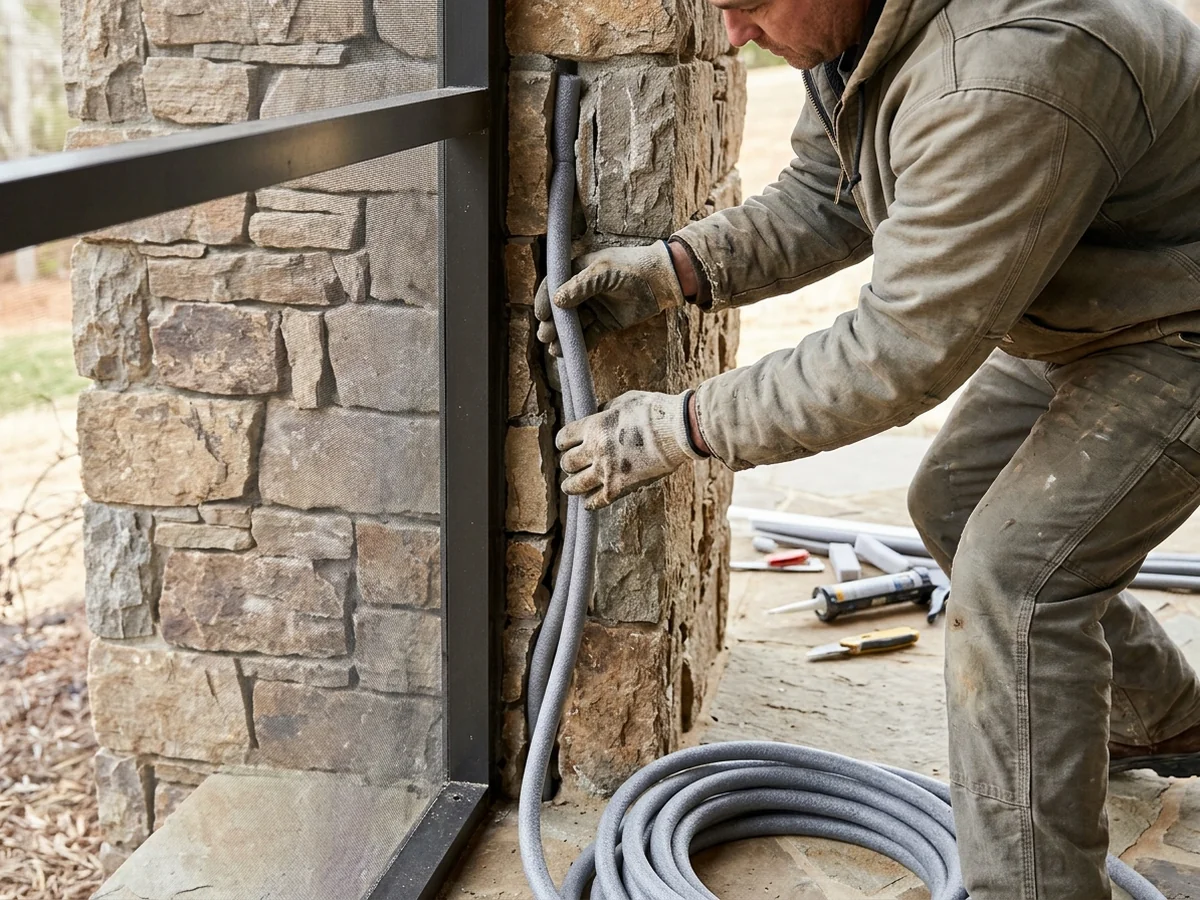
Proper installation begins with a pristine surface and careful placement of the foam to ensure the sealant creates a durable, weather-resistant barrier. Achieving a consistent result when sealing gaps between stone wall and screen rail requires attention to the unique texture of masonry and the rigidity of aluminum framing.
Follow these steps to prepare the joint and insert the material effectively:
- Remove all loose stone fragments, dust, and old mortar residues from the masonry edge using a stiff wire brush to ensure the sealant achieves a strong bond.
- Clean the metal screen rail surface with a solvent recommended for your specific sealant to eliminate oils, oxidation, or factory lubricants that prevent adhesion.
- Apply a compatible primer to the masonry edges if your sealant manufacturer specifies it, as this significantly improves the longevity of the joint in exterior conditions.
- Select a flexible foam backing material and insert it into the void by pressing it firmly into the joint, taking care to follow the natural contours of the stone.
- Avoid over-stretching the material during insertion, as this causes it to pull back from corners and ruins the uniform depth profile needed for professional results.
- Use a blunt tool to ensure the foam sits at a consistent depth throughout the length of the rail, which provides the necessary foundation for the final exterior sealant layer.
When dealing with fluctuating widths along a single stone edge, you may need to use varying diameters of foam or splice pieces together carefully. Avoid gaps between these segments, as any break in the line will compromise the integrity of the finished seal. Once the foam is securely tucked at a uniform depth, the joint is ready for the application of an exterior-grade sealant. This depth control is essential, as it allows the sealant to bridge the gap and expand or contract with temperature changes without tearing. Ensure the final surface of the installed foam is smooth and free of kinks before proceeding to the final sealing phase.
Choosing Compatible Exterior Sealants for Stone and Aluminum Assemblies
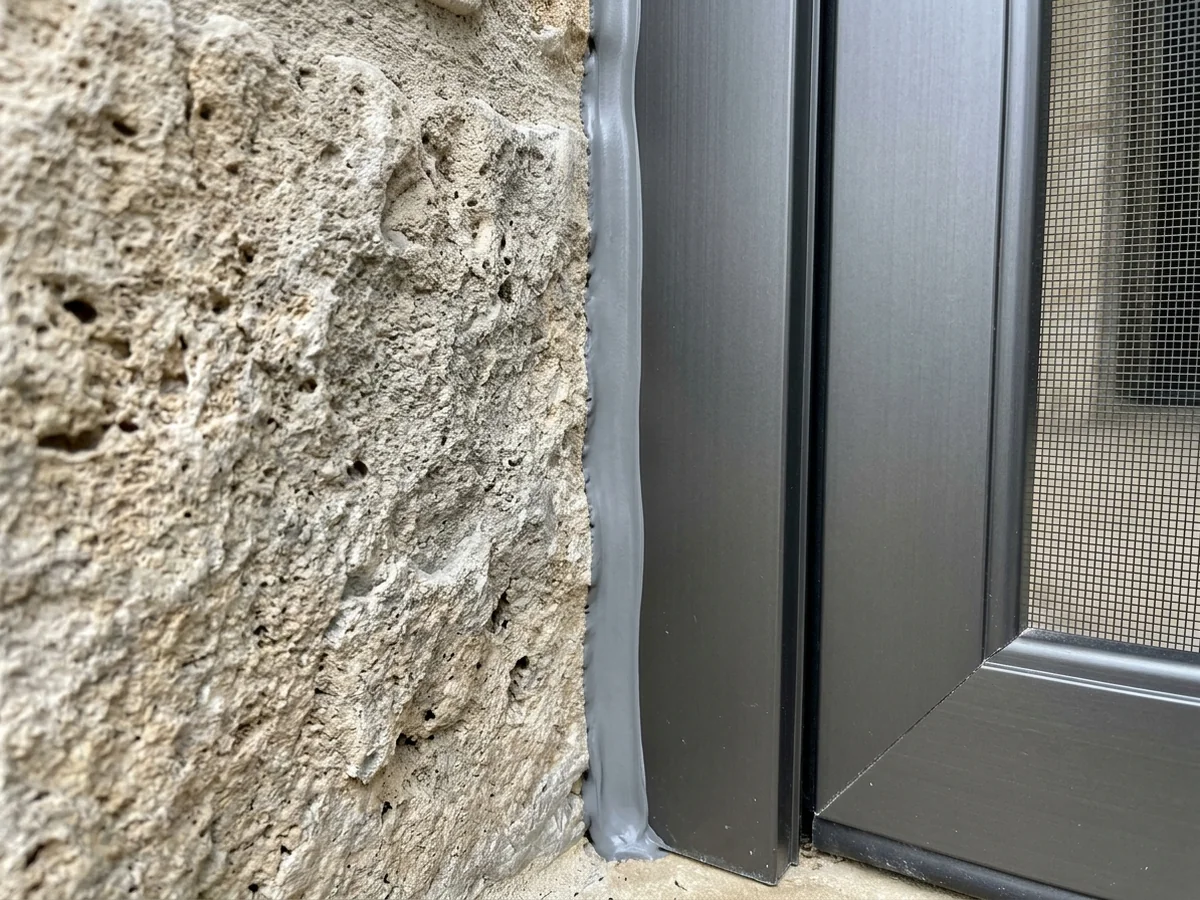
Selecting an appropriate product for sealing gaps between stone wall and screen rail requires balancing chemical compatibility with the movement capabilities of your assembly. While polyurethane sealants often offer robust adhesion to porous stone surfaces, silicone sealants are frequently preferred for their superior UV resistance and long-term elasticity in outdoor environments.
When working with screen rails, you must ensure the chosen product will not react poorly with the metal or the stone substrate. Some silicone formulations require specific backer rod types to prevent chemical interactions that can lead to bubbling or incomplete curing. Always verify that your sealant is rated for the specific expansion and contraction levels typical of exterior masonry and metal interfaces.
Achieving a clean aesthetic transition often depends on selecting a sealant color that complements the natural variations in the stone while providing a crisp finish against the aluminum frame. Many manufacturers offer a range of neutral tones, but it is wise to test a small, inconspicuous area before committing to a full application. This step ensures the color match satisfies your design preferences without detracting from the natural texture of the wall.
Proper joint design remains the most critical factor for performance, regardless of the sealant type chosen. Using a backer rod creates a necessary bond breaker, ensuring that the sealant adheres only to the sides of the joint rather than the bottom. This approach allows the material to stretch and compress effectively as the stone and metal materials respond to temperature fluctuations.
- Check product data sheets for specific adhesion requirements on natural stone surfaces.
- Prioritize sealants with high UV stability to prevent yellowing or degradation near screen enclosures.
- Ensure the joint depth allows for a consistent sealant profile, which supports both function and visual appeal.
- Clean all stone dust and loose debris from the gap thoroughly, as contaminants will compromise even the highest quality materials used to bridge these transitions.
Troubleshooting Stone Wall Joint Failures

Addressing joint failures requires identifying whether the issue stems from inconsistent gap widths, chemical incompatibility, or environmental exposure. When a gap fluctuates drastically, the primary goal is maintaining a uniform sealant depth rather than a uniform width. You can achieve this by selecting a flexible rod that accommodates the narrowest sections while being compressible enough to fit into the wider areas.
For sections where the joint width changes significantly, avoid using a single diameter throughout. Instead, transition between different sizes to keep the rod firmly in place. Proper compression is vital, as it prevents the material from rolling out or shifting when the screen rail or stone wall moves due to temperature changes. If the rod feels loose in wider spots, it will fail to support the sealant properly, leading to potential sagging or surface distortion.
Bubbling or detachment often points to a chemical reaction between the sealant and the backer material or a failure to create an effective bond breaker. Incompatible materials can cause the sealant to off-gas during the curing process, creating pockets of air within the joint. Always verify that your chosen sealant is chemically compatible with the specific foam composition you are using. Ensuring the stone surface is completely free of dust and debris before installation is also necessary to promote proper adhesion and prevent premature peeling.
Exposure to harsh exterior conditions often results in UV degradation, which breaks down the structural integrity of the foam over time. If the rod is not deeply enough recessed, direct sunlight can damage the material, causing it to become brittle or shrink away from the joint edges. To mitigate weathering, ensure the sealant provides a full, protective cover over the rod, leaving no exposed foam along the exterior perimeter. Proper joint design, such as following industry standards for depth-to-width ratios, is the most effective way to protect these materials from the elements.
Frequently Asked Questions About Backer Rods and Stone Screen Rail Gaps
How do I choose the correct backer rod size for irregular gaps?
Select a foam backer rod that is slightly wider than the gap itself to ensure it stays in place through compression. Because natural stone creates uneven surfaces, you may need to carry multiple sizes to accommodate fluctuations in joint width along the screen rail.
Why is a backer rod necessary when sealing stone joints?
A backer rod acts as a bond breaker, which allows the sealant to bond only to the two opposing sides of the joint rather than the bottom. This design helps the sealant maintain flexibility and prevents it from tearing when the stone or the screen rail experiences minor movement.
Can backer rods be used for exterior screen enclosures?
Yes, these materials are suitable for exterior screen enclosures when paired with compatible, weather-resistant sealants. Ensure you select a rod material that is specifically rated for outdoor exposure to maintain structural integrity against sun and moisture.
How do you install a backer rod in an irregular gap?
Push the rod into the gap using a dull tool, such as a plastic putty knife or a specialized roller, to avoid puncturing the foam. For irregular stone edges, press the rod firmly to ensure it maintains a consistent depth, which creates a uniform foundation for your bead of sealant.
What preparation is needed before installing the rod?
Clean the stone surfaces thoroughly to remove loose dust, mortar bits, and debris that could prevent the sealant from adhering properly. A clean surface is essential for achieving a long-lasting, water-resistant seal between your screen rails and the masonry.
Conclusion and Long-Term Maintenance Best Practices
Successful exterior joint performance relies on choosing compatible materials and ensuring the stone surface is completely free of dust and loose mortar before installation. Meticulous surface preparation allows the sealant to bond effectively to the stone face while the rod maintains the necessary joint depth. You should establish a routine inspection schedule for all exterior stone and metal joints, checking annually for signs of sealant separation or cracking. By addressing minor wear early, you protect the structural integrity of the connections between your masonry and metal framing. Always confirm that your chosen backer material and sealant are rated for your climate to ensure long-term stability when managing foam backer rod gaps stone wall screen rails.
You might also like: Bottom Screen Guard Rails: Preventing Dogs from Pushing Through Porch