
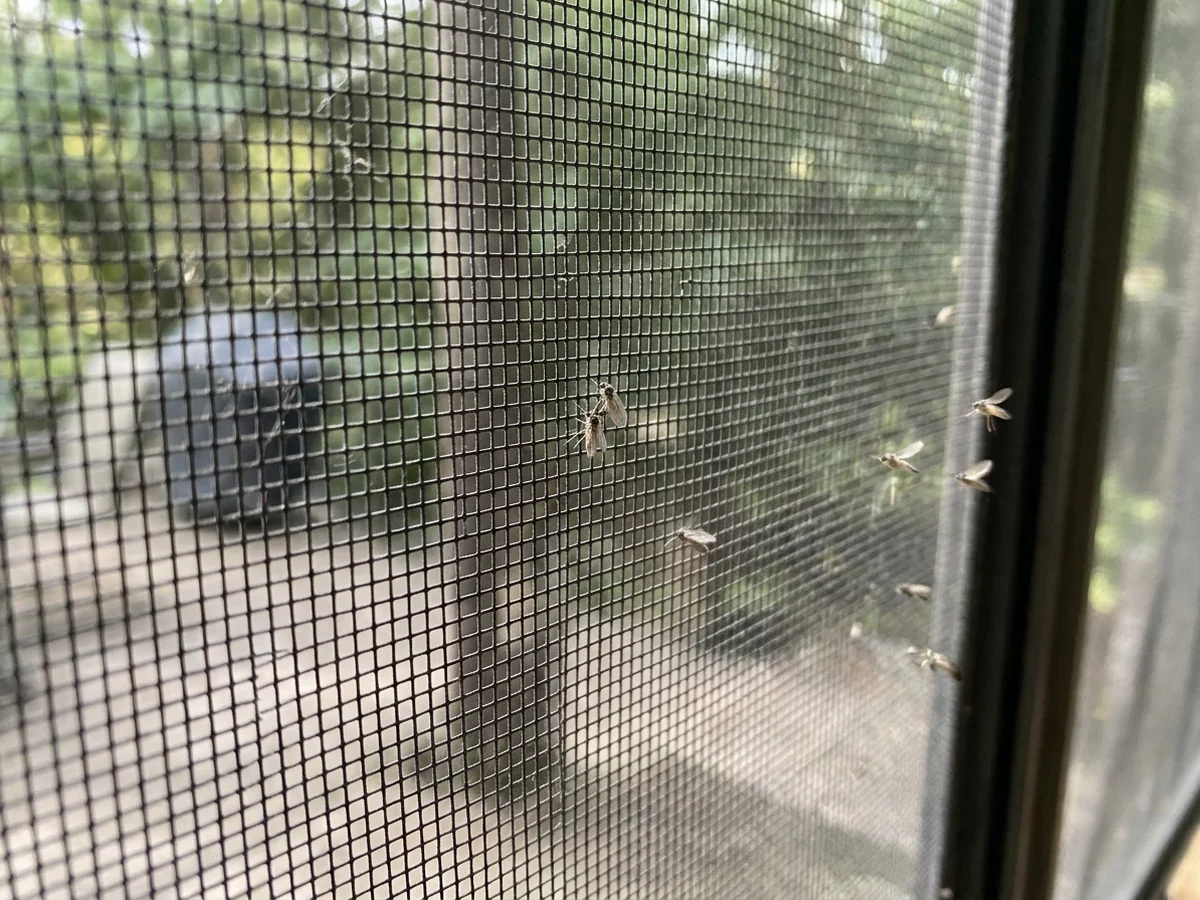
Why Do Flying Midges and Gnats Fit Through Standard 18×14 Porch Mesh?
Introduction
Tiny insects easily bypass standard insect screening because the gaps between the fibers are larger than the bodies of the pests, allowing midges and gnats through porch mesh with little resistance. Standard 18×14 mesh is designed primarily to exclude larger insects like mosquitoes and flies, leaving it ineffective against smaller species.
This article explains the physical limitations of standard screening and why these small intruders can navigate through such barriers. You will learn about the relationship between mesh density and insect size, common factors that distort screen openings, and the practical differences between standard and finer mesh options. We also cover how to choose the right materials to improve your porch environment and reduce the presence of unwanted insects.
Why Standard Porch Screens Fail to Block Tiny Insects
Standard screening fails to keep midges and gnats out because the individual openings in the material are physically larger than the insects themselves. Even when your porch is properly installed and the frame is sealed, these tiny pests can navigate the gaps between the horizontal and vertical strands of the mesh with ease.
The primary culprits in these screen failures are biting midges, often referred to as no-see-ums, and various types of gnats. Because these insects are significantly smaller than the common house mosquito, they do not require a tear or a loose spline to enter your living space. They simply fly directly through the weave designed for larger pests.
The problem stems from a mismatch between mesh density and the biology of the insects you are trying to exclude. Most standard fiberglass insect screening is manufactured with a specific strand count that prioritizes airflow and visibility over the exclusion of microscopic pests. This configuration works well for beetles, flies, and mosquitoes, but it creates a wide enough opening for smaller species to pass through.
Consider the following factors that contribute to this persistent issue:
- The physical width of the mesh openings is often larger than the body size of the smallest local insects.
- The diameter of the wire used in standard construction can leave gaps that provide clear entry paths for gnats.
- Properly tensioned screens that look flawless still possess the same geometric opening size, offering no additional protection against smaller invaders.
When you encounter this problem, the frustration of a screen that appears perfectly installed is entirely valid. The failure is not a result of poor craftsmanship or a damaged product, but rather a limitation of the mesh design itself. Because the standard weave is not dense enough to act as a barrier for these minute intruders, they treat the screen as if it were not there at all.
Why Midges Bypass Porch Mesh
Tiny insects like gnats and midges frequently pass through standard porch screens because their physical size is smaller than the gaps created by the weave. While standard mesh is designed to exclude larger pests like houseflies or mosquitoes, it often fails to stop smaller species because the gaps are simply too wide for their bodies.
Screen tension plays a critical role in maintaining the integrity of these openings. When mesh is not pulled tight during installation, the material can sag or bow. This lack of tension distorts the weave, causing individual holes to stretch and widen beyond their original dimensions. Even a slight increase in gap size can provide an easy entry point for insects that would otherwise be blocked.
Frame condition also influences how effectively a screen performs. If the frame is bent, warped, or improperly sized, the mesh may pull away from the edges. These gaps between the screen material and the frame often exceed the size of the mesh openings themselves. Maintaining a consistent, firm tension across the entire surface is necessary to keep the weave uniform and prevent these structural distortions.
Behavioral patterns of these insects further increase the likelihood of them finding entry points. Midges and gnats are often attracted to light sources, especially during evening hours. They will actively hover around and crawl over the surface of a screen, seeking a way to reach the light on the other side. This persistent searching behavior ensures that if there is a single loose corner, a saggy section, or a gap near the frame, these insects will eventually locate and exploit it.
- Proper installation using a professional spline tool helps maintain necessary tension.
- Consistent frame pressure keeps the mesh taut and prevents unintended stretching.
- Reducing interior light intensity near screens can decrease the number of insects actively searching for entry points.
Mesh Specifications and Performance
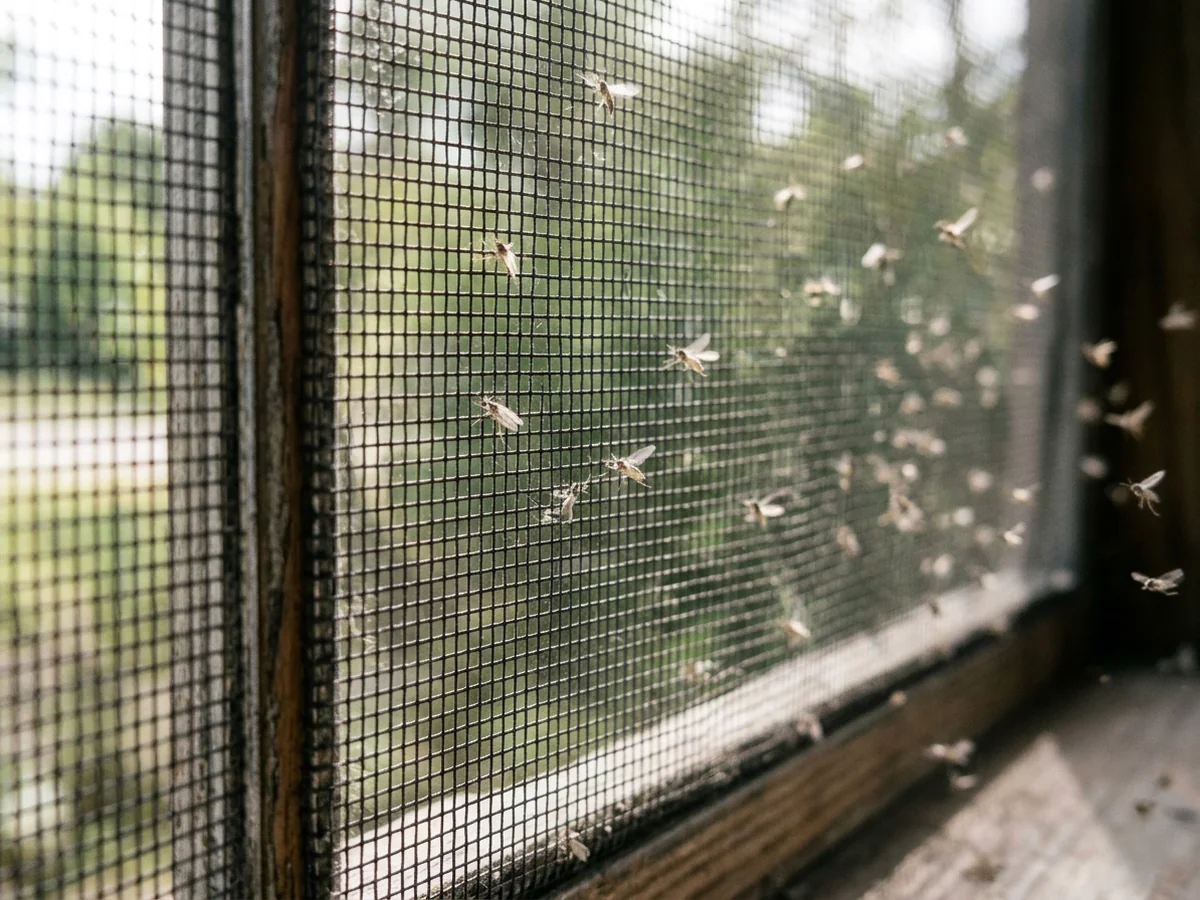
Standard 18×14 insect screen allows tiny pests to enter because the openings between the wires are larger than the body width of many small midges and gnats. These insects, such as those belonging to the Ceratopogonidae family, can navigate through the gaps when the mesh density is insufficient to create a complete physical barrier.
| Feature | 18×14 Standard Mesh | 20×20 Fine Mesh |
|---|---|---|
| Primary Use | General pest exclusion | Small insect protection |
| Opening Size | Wider gaps | Narrower gaps |
| Airflow | Higher volume | Lower volume |
| Visibility | Higher clarity | Lower clarity |
When comparing 18×14 vs 20×20 insect screen, homeowners must balance pest control needs against environmental comfort. A fine mesh screen for porches provides a tighter weave that reduces the aperture size, effectively blocking smaller intruders that easily pass through standard products. While this density is excellent for keeping out persistent biting midges, it inevitably creates a trade-off regarding the porch environment.
The tighter weave of higher-density screening restricts airflow by creating more physical surface area within the frame. This can lead to a noticeable reduction in natural ventilation, which may be significant in warmer climates where cross-breezes are essential for comfort. Additionally, the increased thread count can impact visibility, often making the screen appear darker or more opaque when looking out from the porch.
Installation factors also influence how effective a screen remains over time. If the material is not installed with the correct tension, the mesh can sag or stretch, which may cause the individual openings to distort and widen. This distortion allows insects to bypass the barrier even if the material was initially capable of stopping them. To maintain a functional barrier, the screen must be securely fastened into the frame using a properly sized spline tool to ensure the mesh stays taut across the entire opening.
Mesh Material and Pest Prevention
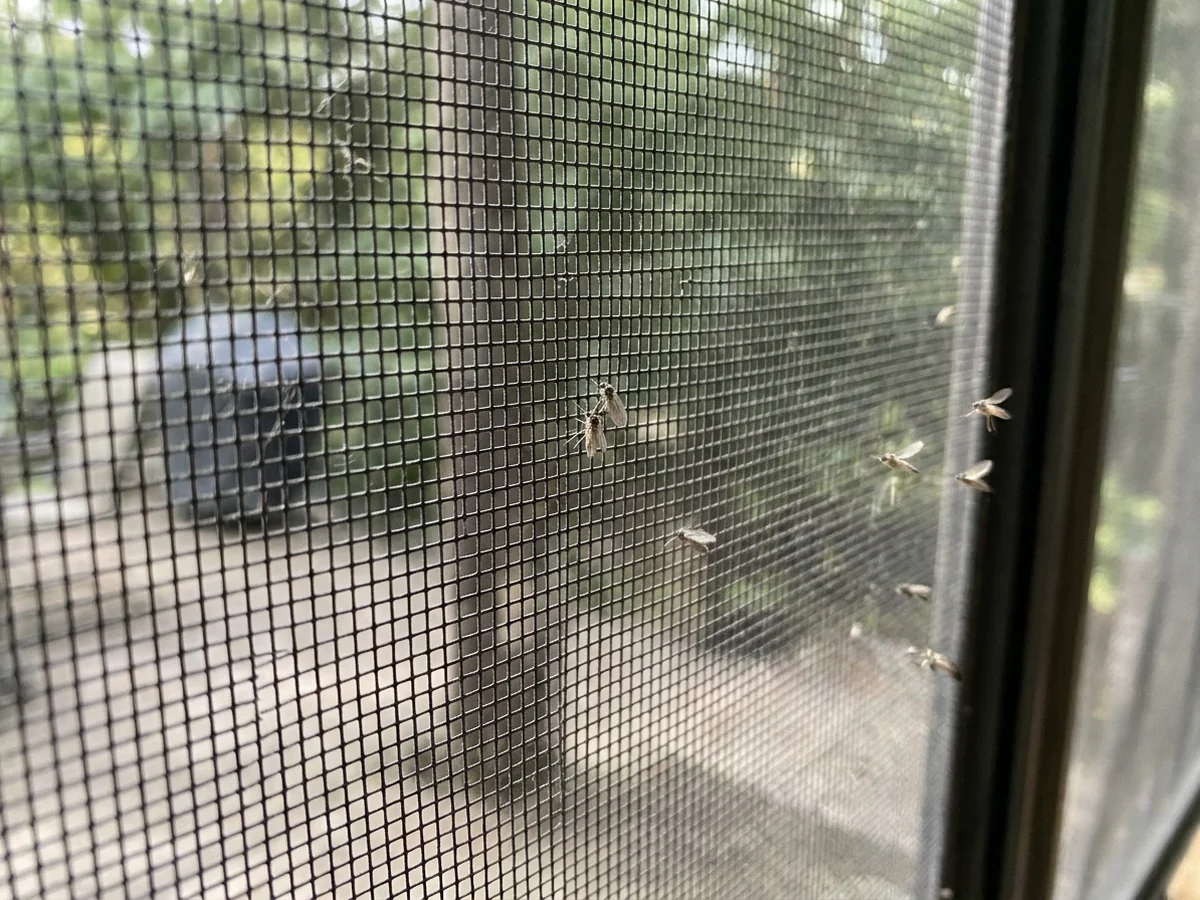
Standard 18×14 insect screening often fails to block small pests because the individual openings are larger than the body size of many biting midges and gnats. These tiny insects easily navigate through the gaps, rendering the standard barrier ineffective for complete exclusion.
Fiberglass insect screening serves as a common entry-level choice for porches. While it remains flexible and easy to install, its performance in high-UV coastal environments varies. Prolonged exposure to intense sunlight and salty air typically causes the material to become brittle over time. As the fiberglass fibers degrade, they can fray or lose their original tension, which may cause the mesh to sag and create larger gaps at the edges.
Polyester mesh offers a different set of characteristics for homeowners seeking durability. This material is often engineered to withstand higher levels of UV exposure compared to standard fiberglass options. Because polyester fibers are inherently more resistant to sun-induced breakdown, the screen holds its shape and tension for a longer duration. Maintaining consistent tension is essential, as any sagging or distortion in the screen material directly impacts the width of the openings, making it easier for midges and gnats through porch mesh to find a way inside.
Several environmental and physical factors influence how quickly screening materials degrade:
- UV radiation: Constant exposure to direct sunlight breaks down the chemical bonds in synthetic screening, leading to fading and eventual tearing.
- Salt air: Coastal environments accelerate the corrosion of metal frames and can cause buildup on the mesh, which traps moisture and invites faster material fatigue.
- Physical tension: Improper installation or the use of a spline that is too loose can cause the mesh to lose its uniform square shape, effectively widening the holes.
- Temperature fluctuations: Extreme changes between hot days and cool nights cause materials to expand and contract, which eventually weakens the integrity of the weave.
When selecting a replacement, consider the trade-offs between material longevity and the density of the weave. Tighter weaves are more effective at blocking small insects, but they require higher-quality materials to ensure that the screen remains taut and functional throughout its expected lifespan. If the structural integrity of the mesh is compromised by UV damage or poor installation, even the finest screen will eventually fail to provide a complete barrier against tiny intruders.
Upgrading Your Porch Screens
You can effectively upgrade to a finer, tighter weave by ensuring the new material remains compatible with your existing frame dimensions. Transitioning to a denser material, often called no-see-um screen mesh, requires careful attention to the relationship between the fabric thickness and the track width of your screen frames.
The most critical step in this process is identifying the correct spline diameter to secure the new screen. If the diameter is too thin, the screen will sag or pull out of the track, while a diameter that is too thick will prevent the spline from seating properly, potentially bending the frame or tearing the mesh during installation. You should verify the width of your frame groove using a caliper or by testing a small sample of spline before purchasing your bulk materials.
To successfully complete a screen replacement project, you will need to gather a specific set of tools and materials to ensure a taut, secure fit:
- A plastic or metal screen rolling tool is essential for pressing the spline firmly into the frame groove.
- Utility shears or a sharp razor knife allow for precise trimming of excess material once the installation is complete.
- A flat-head screwdriver or a dedicated spline removal tool helps safely pry out the old, brittle spline without damaging the frame.
- Masking or painter’s tape can be used to hold the screen material in place while you begin the initial rolling process.
- A clean, flat workspace provides the necessary surface area to lay out your frames and ensure even tension across the screen surface.
- Measuring tape is necessary to calculate the total amount of screening and spline required for your specific frame openings.
When selecting a new, tighter mesh, keep in mind that the increased density of the weave often necessitates a thinner spline than what was used with a standard, coarser mesh. This is because the finer material occupies more space within the groove, leaving less room for the spline itself. Always test the fit of the spline with the new mesh in a small section of the frame before committing to the full installation. A proper, snug fit is vital to maintaining the structural integrity of the barrier against small pests, as any gaps created by ill-fitting spline act as entry points for insects that would otherwise be blocked by the tighter weave.
Stopping Tiny Pests Entering
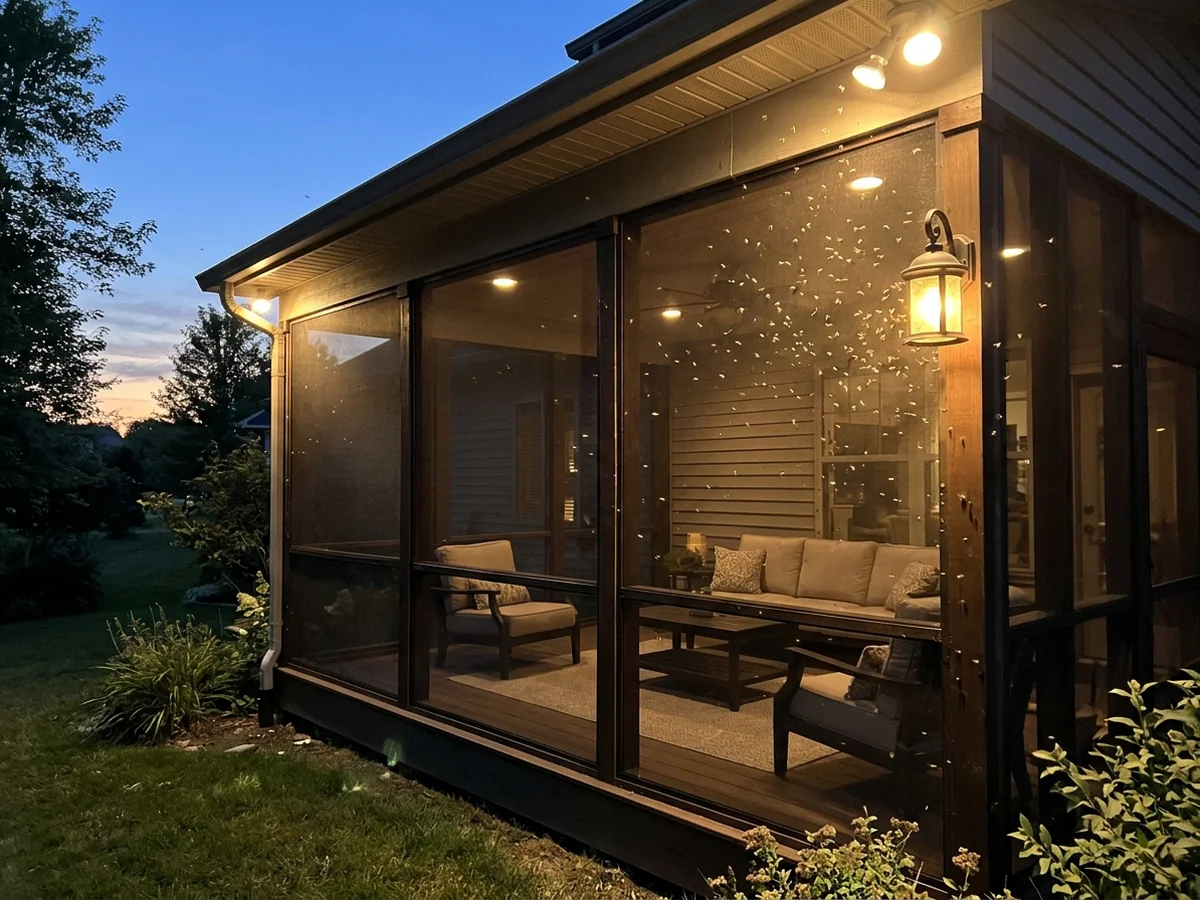
You can manage small insects by combining physical barriers with light management strategies, as screens alone may not stop these tiny intruders. While choosing a tighter weave is the most effective physical solution, environmental factors often play a significant role in how many pests congregate near your home.
Lighting choices significantly influence local insect activity around your outdoor spaces. Many species are highly sensitive to short-wavelength light, such as blue or ultraviolet light, which often makes cool-toned LED bulbs an attractant. Replacing these with warm-toned, low-intensity lighting can reduce the number of pests drawn to your porch areas at night. This simple adjustment does not physically block insects, but it helps minimize the population gathering against your screens in the first place.
Physical barriers remain the primary line of defense, though their effectiveness depends on proper selection and installation. Chemical deterrents like space sprays or area repellents offer temporary relief, yet they rarely provide a long-term solution for constant pressure. Relying on a tightly woven screen is generally more sustainable than frequent chemical applications, which may only deter insects for a short duration.
To address how to stop gnats coming through window screens and porch openings, consider these supplemental management steps:
- Install a finer mesh option specifically designed to block smaller species if your current screen allows regular intrusions.
- Switch outdoor light fixtures to bulbs with warm color temperatures to reduce the number of insects attracted to the porch perimeter.
- Ensure your screen frames are properly tensioned, as sagging material can stretch the openings between individual strands.
- Inspect the perimeter of your frames for gaps or worn seals where tiny pests might bypass the screening material entirely.
- Use exterior-grade weather stripping or caulk to seal small structural gaps around window and door frames.
- Minimize indoor light leakage through screens after dark by drawing curtains or using shades to keep the porch environment less inviting.
When upgrading to a finer material, verify that the existing frame can accommodate the thickness of the new screening. A thicker, tighter weave often requires a different diameter of spline to hold the fabric securely in the track. Taking the time to correctly tension the material during installation prevents the mesh from distorting, which keeps the gaps between strands at their intended size. Maintaining the integrity of the barrier is essential for keeping the smallest insects outside where they belong.
Common Installation Mistakes
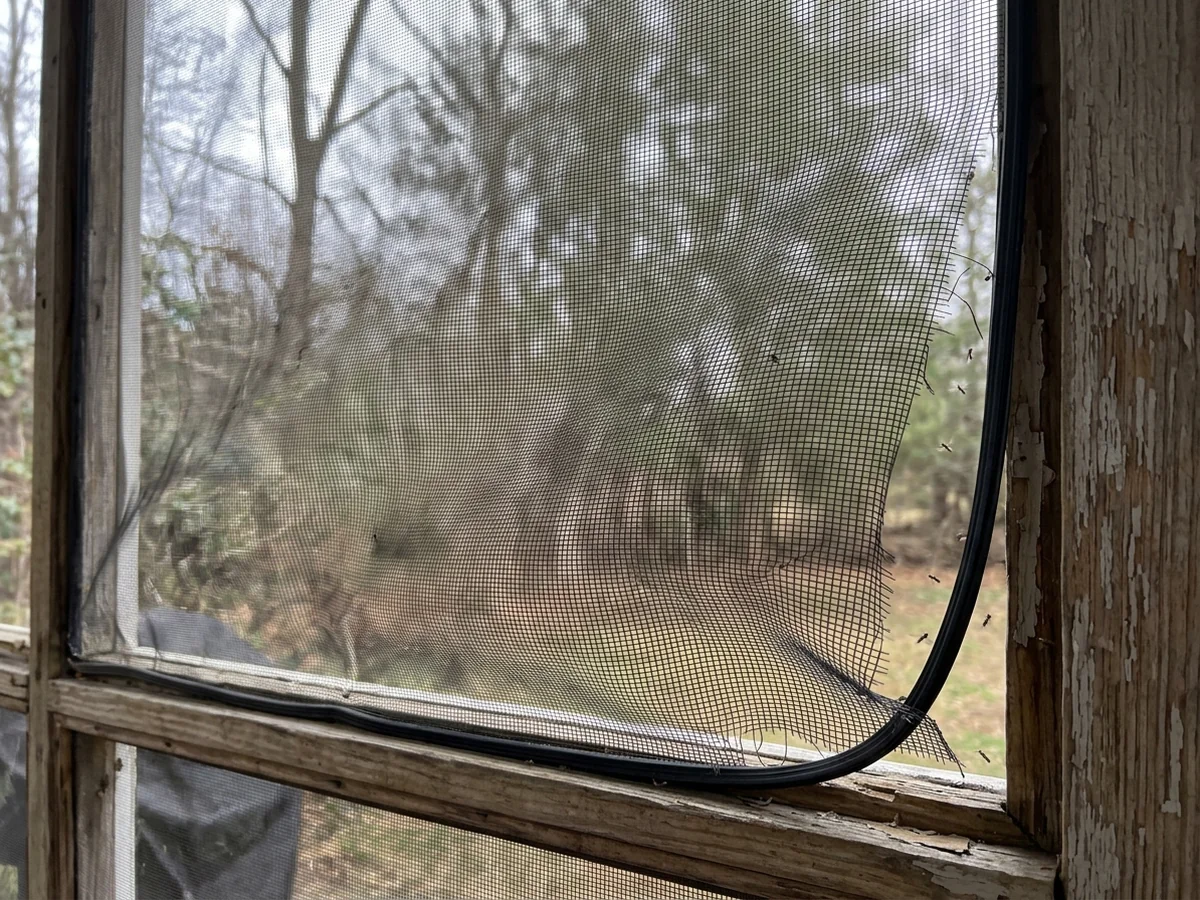
Tiny insects often bypass standard porch screening because installation errors compromise the structural integrity of the material. When the mesh is not installed correctly, the physical gaps between the wires expand, allowing small pests to enter your porch space easily.
Over-tensioning during the installation process is a primary culprit for distorted openings. If you pull the material too tightly while securing it into the frame, the weave can stretch and deform. This stress pulls the vertical and horizontal wires out of their intended alignment, creating wider gaps that defeat the purpose of the screen. A balanced, consistent tension is necessary to keep the weave square and the openings at their intended size.
Choosing the incorrect spline size frequently leads to loose screens that sag over time. The spline acts as the anchor holding the mesh in the frame channel, and it must fill the groove precisely to maintain a firm grip. If the spline is too thin, the screen material will inevitably pull away from the frame, creating small gaps at the edges where gnats can squeeze through. Always measure the width of your frame groove to select a spline that creates a secure, snug fit for your chosen material.
Ignoring the condition of the frame before installing new material often results in gaps that go unnoticed until the first infestation. Old, damaged, or bent frames provide an uneven surface that prevents the screen from sitting flush against the mounting points. Even a slight twist in the frame can create a gap between the screen and the structure. Before you begin a new installation, follow these steps to ensure a secure barrier:
- Inspect the entire frame perimeter for bends, warping, or corroded sections that may prevent a tight seal.
- Clean out old debris and residual spline material from the grooves to ensure the new screen seats perfectly.
- Check the frame corners for structural integrity, as sagging or loose joints allow the entire screen panel to shift.
- Ensure the frame is properly square, which prevents uneven tensioning during the rolling process.
Failing to address these foundational issues means that even the tightest mesh will not function as intended. A quality screen relies as much on a solid, well-prepared frame as it does on the density of the weave itself. Taking the time to prepare the frame and use the correct tools ensures the mesh remains taut and effective against persistent intruders.
FAQ
Why do insects still get in after I installed screens?
Insects often bypass standard screens because their body size is smaller than the gaps in the weave of the material. Even when the mesh is intact, tiny pests like midges and gnats can navigate through the openings if the screen tension is loose or the frame is not sealed perfectly against the structure.
What is the difference between 18×14 and 20×20 mesh?
The numbers refer to the count of horizontal and vertical wires per inch, meaning 20×20 mesh has a denser weave with smaller individual openings than 18×14 mesh. This higher density is specifically designed to provide a more effective physical barrier against smaller insects that typically penetrate standard porch screening.
Will finer mesh restrict my porch airflow?
Using a tighter weave like 20×20 mesh does create more resistance to natural wind flow compared to a coarser 18×14 screen. While this density is necessary to stop gnats, you may notice a slight reduction in overall ventilation when sitting in an enclosed porch area.
Are there specific colors of mesh that attract fewer insects?
Darker colored screens, such as black or charcoal, are often preferred for visibility because they reduce glare, but insects are primarily attracted to the light source inside or outside your home rather than the screen color itself. Managing your interior lighting, particularly by choosing warmer color temperatures, is more effective at deterring bugs than changing the screen color.
Can I replace existing screen with tighter mesh without changing frames?
You can typically install a finer mesh into your current frame as long as the thickness of the new material remains compatible with your existing spline and frame groove. Before starting, measure the width of your frame channel to ensure the new screen and spline will fit securely without creating gaps that allow insects to enter.
Conclusion
The primary reason insects enter your porch is that their physical size is smaller than the gaps in standard screening. If you frequently find midges and gnats through porch mesh, you likely need a tighter weave to effectively exclude these pests. Consider replacing your current material with a finer mesh specifically designed for smaller insects. Before purchasing, verify that your existing screen frames can accommodate the thicker material and ensure you have the correct spline size to secure the tighter fabric properly.
You might also like: Bottom Screen Guard Rails: Preventing Dogs from Pushing Through Porch