How to Seal Porch Door Sweeps to Stop Spiders Crawling Under the Threshold
Introduction
Property owners can successfully seal porch door sweep against spiders by installing a durable barrier that blocks ground level gaps beneath the threshold. Since pests easily crawl through tiny openings at the base of exterior entryways, adding a physical block stops unwanted creatures before they reach your living spaces.
This article covers the essential steps and materials needed to complete this exclusion project effectively. You will learn how to choose the right hardware, measure your entryway accurately, install the barrier securely, and maintain a tight seal against outdoor pests over time.
Why Porch Thresholds Attract Spiders and How Gap Sealing Stops Them

Spiders often congregate near porch thresholds because exterior lighting attracts flying insects that serve as their primary food source. Additionally, the warmth radiating from the interior of a home creates a microclimate that draws these arachnids toward the structure. When an exterior door has a clearance gap, it provides an easy pathway for pests to move from the porch into living spaces. To effectively seal a porch door sweep against spiders, homeowners must focus on creating a consistent physical barrier that closes the space between the bottom of the door and the flooring.
Selecting and Installing Effective Door Sweeps
When choosing materials to prevent spiders from entering through the threshold, consider the durability of the components in outdoor conditions. An aluminum door sweep often provides a robust housing for sealing materials. For the sealing edge itself, EPDM rubber is frequently chosen for its ability to maintain contact with the floor. While brush sweeps are common, they may allow smaller crawling insects to pass through the bristles. A solid rubber gasket generally offers a more complete obstruction for pest exclusion.
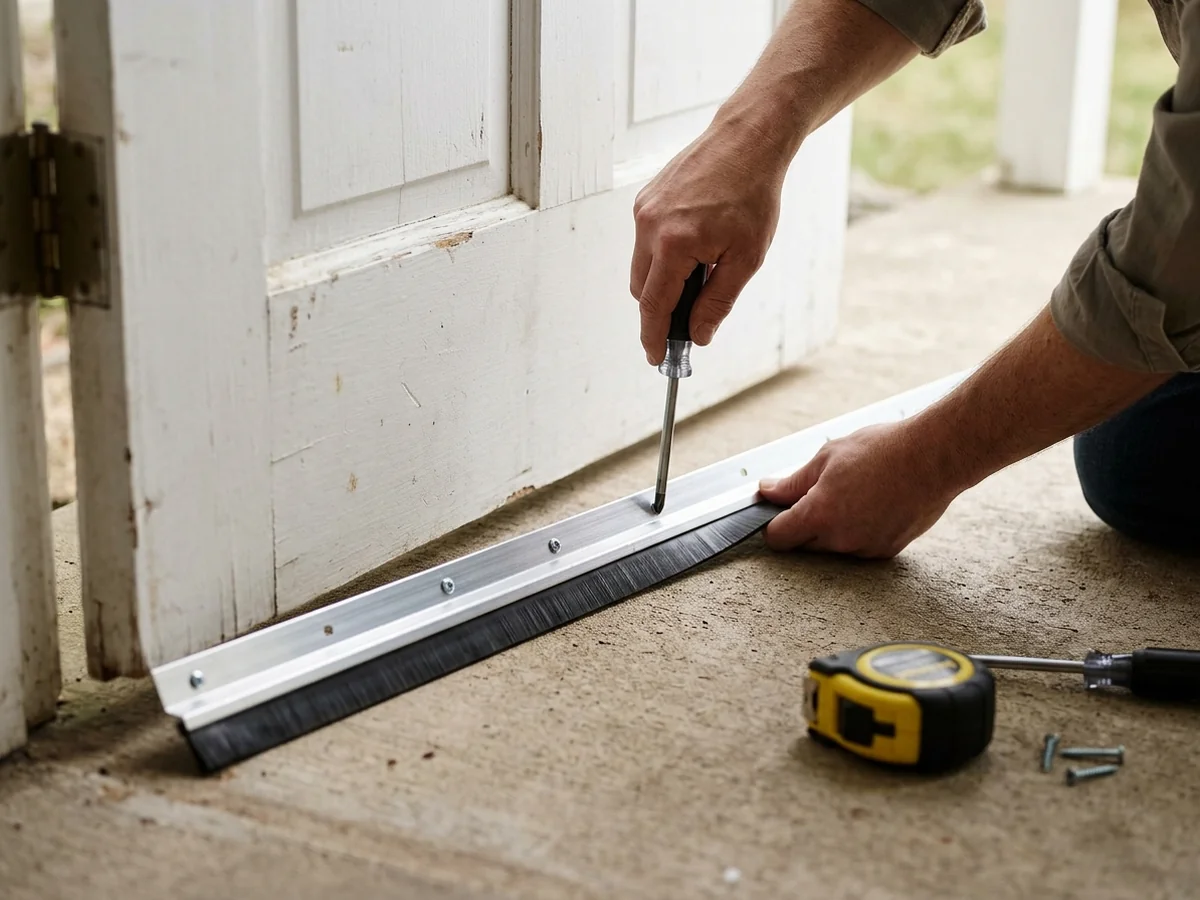
Proper installation is vital for success. Most residential exterior doors require accurate measurement to ensure the sweep covers the full width of the door without dragging or binding. It is common practice to install these components while the door is in the closed position to ensure even contact across the entire threshold. For long term durability, use stainless steel fasteners to prevent rust caused by porch humidity. If the threshold is uneven or worn, a threshold saddle may be necessary to provide a flat, uniform surface for the sweep to press against.
Addressing Common Installation Pitfalls
A frequent error is relying on adhesive backed sweeps on outdoor surfaces. Adhesive strips often fail on porous materials like raw concrete or weathered wood, especially when exposed to fluctuating temperatures and moisture. If you are using an adhesive product, ensure the surface is properly primed and cleaned, though mechanical fasteners provide a more reliable, long term solution for exterior applications. Furthermore, remember that spiders can enter through gaps on the sides of the door frame as well. Inspect the entire perimeter and consider adding weatherstripping to the vertical jambs to complement the work done at the threshold.
Maintenance and Pest Management
Even a well installed sweep requires periodic inspection. Over time, materials can degrade or shift due to frequent use and temperature changes. To maintain an effective barrier, check the seal for gaps or signs of wear every few months. If the sweep appears compressed or cracked, replacing it promptly will keep the entrance secure. Integrated pest management also involves keeping the porch area clear of debris and excessive vegetation, which removes potential nesting sites near the door. By combining a physical sweep with these maintenance habits, homeowners create a persistent defense that discourages spiders from migrating indoors.
| Feature | Consideration for Pest Exclusion |
|---|---|
| Mounting Method | Screw-on sweeps offer better longevity than adhesive strips outdoors. |
| Material Type | Solid rubber or vinyl gaskets typically block more pests than brush-style sweeps. |
| Threshold Condition | Uneven or worn thresholds may require a saddle to ensure a proper seal. |
Evaluating Door Sweep Materials for Maximum Pest Resistance
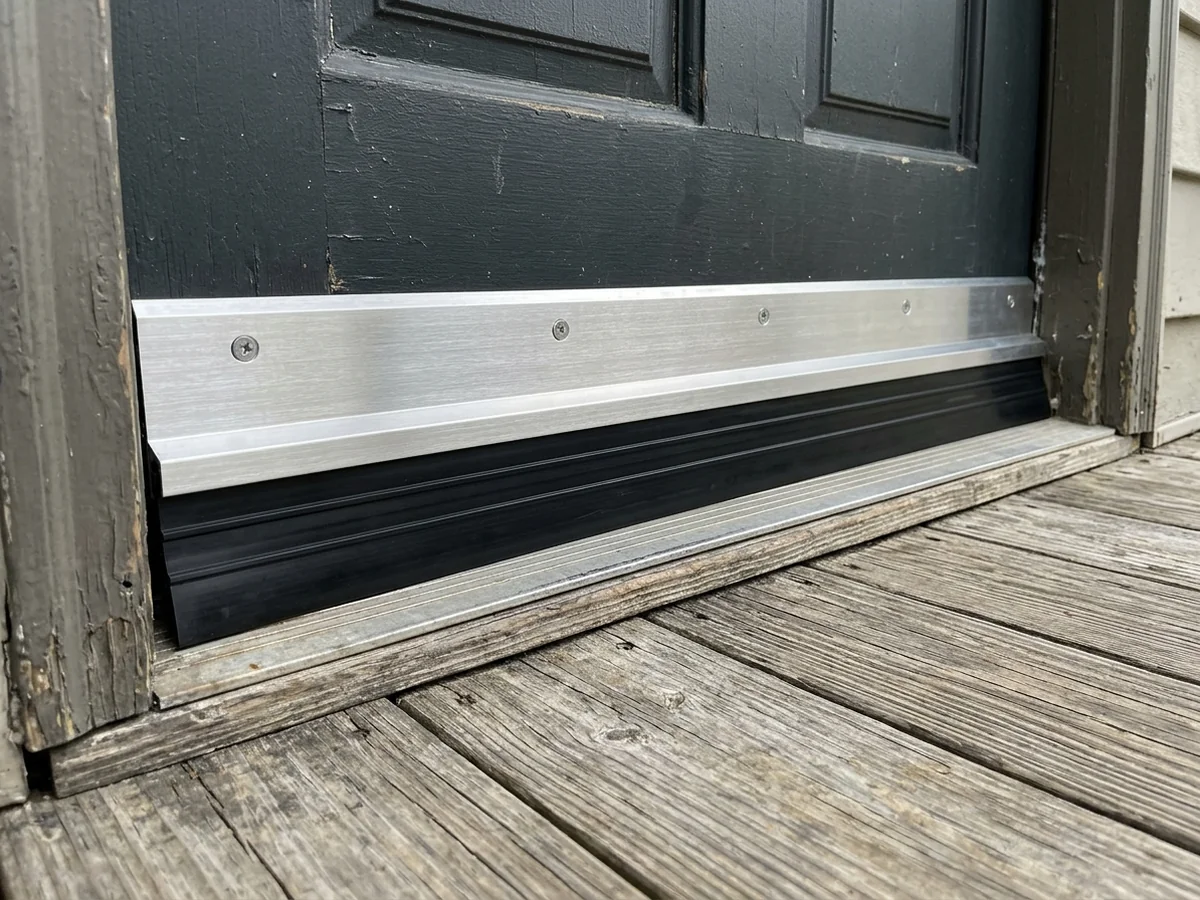
Selecting the right hardware for your entry points requires balancing weather resistance with effective pest exclusion. To seal a porch door sweep against spiders and other crawling insects, you must choose components that resist environmental degradation, such as UV exposure and moisture, which can cause materials to warp or crack over time.
Comparing EPDM Rubber and Aluminum Door Sweep Options
An aluminum door sweep equipped with EPDM rubber inserts is a reliable choice for exterior doors exposed to the elements. Aluminum provides a rigid, non-corrosive backing that retains its shape even during seasonal temperature shifts, while EPDM rubber offers high elasticity and durability. This combination is often favored as the best door sweep for pest exclusion because it maintains a consistent seal against the threshold. When installing these, using stainless steel fasteners is recommended to prevent rust from humidity, which can compromise the integrity of the installation over time.
| Material Type | Weather Resistance | Pest Blocking Efficacy | Maintenance Needs |
|---|---|---|---|
| Aluminum and EPDM Rubber | High | High | Low |
| Plastic and Vinyl | Moderate | Moderate | Medium |
| Standard Bristle Brush | High | Low to Moderate | High |
Assessing Brush Sweeps Versus Solid Flaps for Bug Blocking
When considering a rubber vs brush door sweep for bugs, understand that each design serves a different primary function. Solid rubber or vinyl flaps create a physical barrier that can block gaps more effectively than brush designs. While bristle brushes are excellent for stopping drafts, they often feature spaces between fibers that small pests can navigate. For homeowners looking to prevent spiders entering through the threshold, a solid flap is generally more effective at closing the physical space.
Addressing Installation and Maintenance Challenges
A common mistake is relying on adhesive-backed sweeps for high-traffic or exterior-facing doors. These often fail on porous surfaces like raw concrete or weathered wood unless the surface is properly primed. For the most secure fit, choose screw-mounted hardware.
If your porch threshold is uneven or worn, a standard sweep may not create a complete seal. In such cases, installing a threshold saddle can provide a flat, uniform surface for the sweep to contact. Always install your hardware while the door is in the closed position to ensure even, consistent contact along the entire length of the door.
Regularly inspect your sweep for signs of wear, such as cracking or sagging, as these gaps provide easy entry points for pests looking to move from the porch into the home.
Addressing Uneven Porch Thresholds and Side Frame Gaps
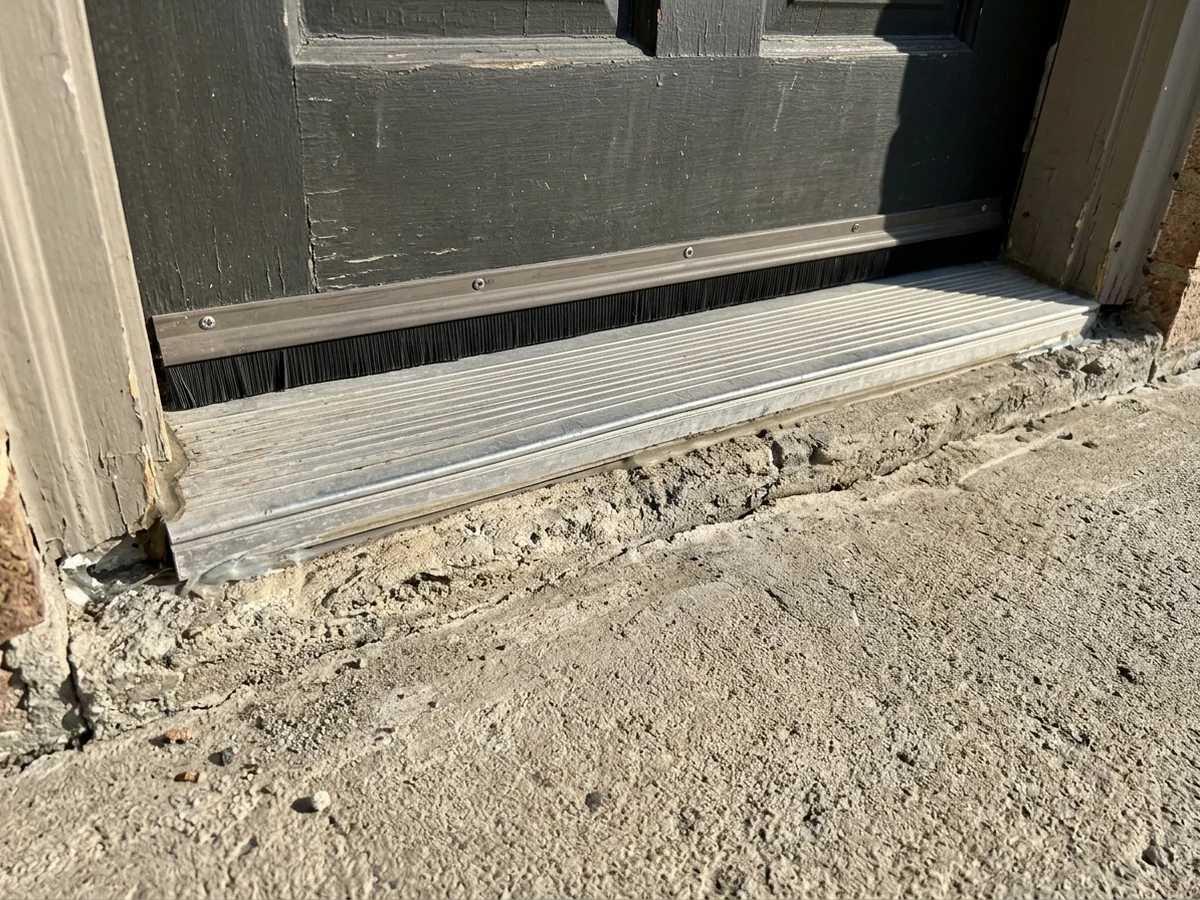
Homeowners often find that a standard door sweep fails to seal the threshold effectively because of floor irregularities. Settling masonry, warped wood, or heavy foot traffic can create gaps where a sweep hangs loosely in some spots while binding tightly in others. Because spiders can flatten their bodies to squeeze through very small openings, these inconsistencies act as an open invitation for pests to enter the home. To effectively seal the porch door sweep against spiders, you must address both the primary gap and the surface conditions of the threshold itself.
Correcting Worn Foundations with Threshold Saddles
When the porch floor is uneven or worn, a threshold saddle provides a necessary, uniform platform. This hardware acts as a bridge, offering a flat, consistent surface for your door sweep to make firm contact across the entire width of the entryway. Before installing a saddle, clean the area thoroughly to remove debris that could prevent a tight seal. Apply a bead of silicone sealant beneath the saddle before fastening it to the porch floor. Using stainless steel fasteners is recommended for these exterior installations to prevent rust from humidity, which can compromise the integrity of the seal over time.
Ensuring Durability and Performance
The choice of materials significantly impacts how well you seal the gap under an exterior door. Adhesive backed sweeps often fail on porous surfaces, such as raw concrete or weathered wood, unless the surface is properly primed or reinforced with mechanical fasteners. When selecting materials, consider that EPDM rubber is frequently used for its durability in outdoor exposure. For the best results, install your door sweep while the door is in the closed position to ensure even contact. Regular maintenance is essential, as even the best door sweep for pest exclusion will eventually degrade due to temperature fluctuations and repeated friction against the porch surface.
Sealing Vertical Jamb Gaps
Side gaps allow pests to bypass the bottom barrier entirely, making vertical weatherstripping just as critical as the sweep. Over time, foam strips compress permanently, leaving visible daylight around the edges of the door slab. To address this:
- Inspect the entire perimeter of the door frame for compressed, torn, or missing weatherstripping.
- Remove old material completely, scraping away leftover adhesive or paint buildup to ensure a flush fit for the new strip.
- Measure and cut new tubular vinyl or silicone weatherstripping to match the precise height of the side jambs.
- Secure the strips into the doorstop groove so they compress slightly when the door shuts, ensuring an airtight closure.
- Check upper corners where the head joint meets the side jambs to eliminate gaps near the hinges, which are common entry points.
After installation, test the latch alignment to confirm the door closes smoothly without requiring excessive force, which could damage the new seals.
Step by Step Installation Guide for Porch Door Sweeps
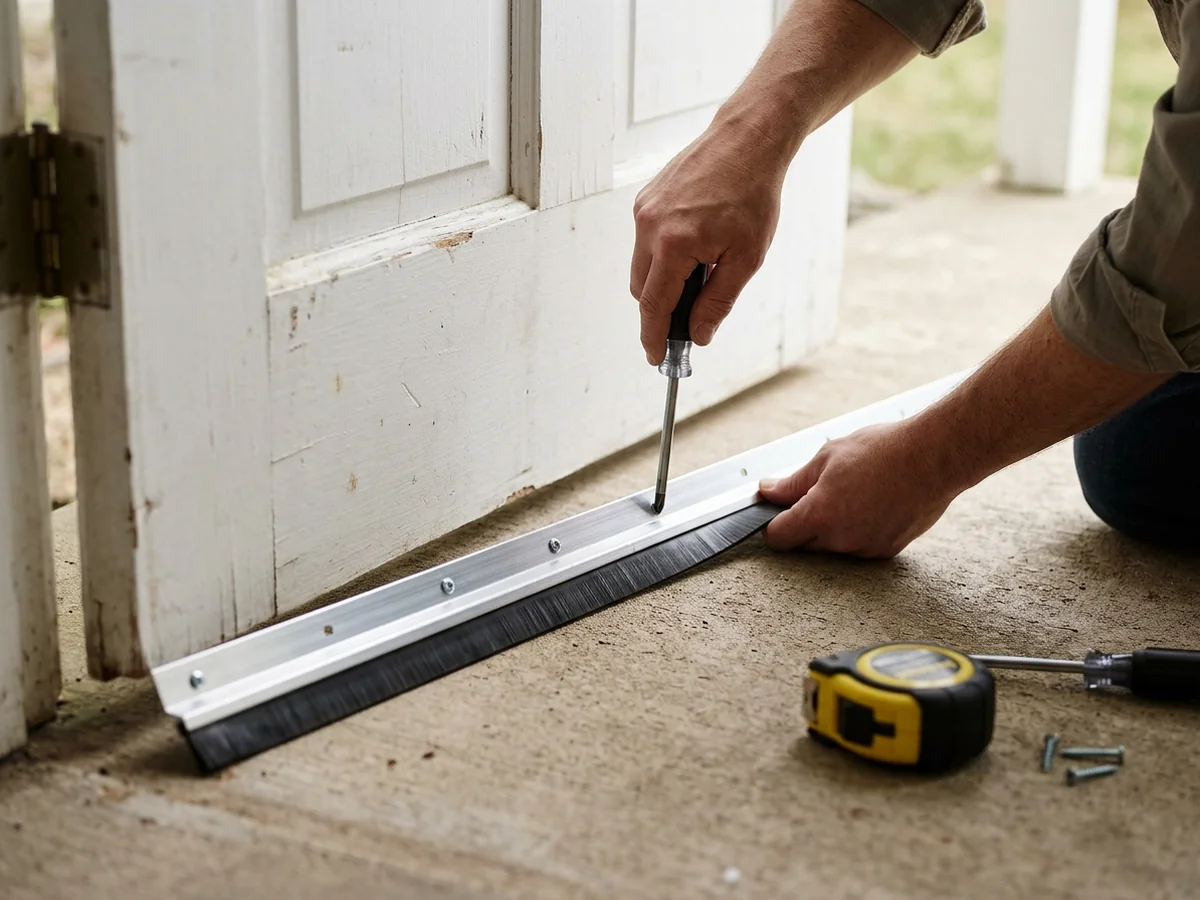
Installing a physical barrier requires precise measurements and careful hardware placement to effectively seal a porch door sweep against spiders. A properly fitted sweep creates a continuous contact point between the door and the threshold, eliminating the small gaps that pests often use to enter a home. Because spiders can compress their bodies to navigate tight spaces, the quality of your installation directly impacts the success of your exclusion strategy.
Measuring and Preparing Your Exterior Door
Accurate sizing prevents gaps from forming at the corners or center of the entrance. Use a metal tape measure to determine the exact width of the door slab. Transfer this measurement to your chosen door sweep, marking the metal backing and the EPDM rubber insert clearly before cutting. If you are replacing an existing unit, remove all old hardware and clean the bottom edge of the door to ensure the new sweep sits flush against the surface. A clean, flat surface is essential for a tight seal.
Securing the Sweep Using Stainless Steel Fasteners and Silicone Sealant
For exterior applications, use stainless steel fasteners to prevent rust caused by porch humidity. While adhesive-backed options exist, they often fail on porous or weathered surfaces. Screw-mounted aluminum door sweeps provide superior durability against environmental exposure. Follow these steps for a secure, long-lasting installation:
- With the door in the closed position, hold the cut sweep against the exterior bottom edge.
- Ensure the rubber edge makes light, even contact with the threshold across the entire span.
- Mark the locations for the pre-drilled adjustment slots using a pencil.
- Drill pilot holes into the door to prevent the wood or metal from splitting when the fasteners are driven in.
- Secure the sweep loosely with stainless steel screws, allowing for minor vertical adjustments.
- Fine-tune the height so the rubber material presses firmly against the threshold without creating excessive friction that makes the door difficult to operate.
- Tighten all fasteners once the placement is finalized.
- Apply a thin bead of silicone sealant along the top edge of the sweep where it meets the door to block any micro-gaps.
Addressing Common Installation Challenges
One common mistake is failing to account for uneven thresholds. If the floor surface is irregular, a standard sweep may leave gaps at the high or low points. In these cases, installing a threshold saddle can provide a uniform, flat surface for the sweep to contact. Additionally, verify the condition of your side weatherstripping, as spiders can also enter through gaps between the door frame and the door slab. Regularly inspect the rubber insert for signs of wear or cracking, as even small tears can compromise the barrier. Maintaining the integrity of these materials is a key component of effective, chemical-free pest exclusion.
Adhesive Versus Screw Mount Sweeps for Outdoor Porch Exposure

Understanding Porch Humidity and Adhesive Failure Risks
Adhesive backed door sweeps are popular for their ease of use, but they frequently encounter performance issues in outdoor settings. Porch environments expose door hardware to high humidity, UV radiation, and significant temperature fluctuations. These factors often cause the adhesive bond to soften or lose its tackiness over time. When the bond degrades, the strip pulls away from the door, creating new openings that allow spiders and other pests to enter.
Porous surfaces, such as raw concrete or weathered wood, are particularly difficult for adhesive strips to grip. If you choose an adhesive model, thorough surface preparation is mandatory. You must clean the mounting area to remove all dirt, grease, and loose paint, as these contaminants prevent the adhesive from establishing a full contact point. Even with careful preparation, the mechanical stress caused by seasonal expansion and contraction of the door material often exceeds the holding power of standard glue strips.
Why Mechanical Fasteners Offer Long Term Reliability
For exterior entrances, mechanical fasteners provide a more durable solution. An aluminum door sweep secured with screws creates a permanent, rigid barrier that withstands the elements far better than peel and stick alternatives. Screws anchor the hardware directly into the door material, which ensures the sweep maintains a consistent position regardless of heat, cold, or high moisture levels.
When installing these on exterior doors, consider using stainless steel fasteners. These are specifically recommended for outdoor installations to prevent rust from humidity, which can otherwise compromise the integrity of the mount over time.
| Feature | Adhesive Mount | Mechanical (Screw) Mount |
|---|---|---|
| Installation Speed | High | Moderate |
| Durability in Humidity | Low | High |
| Resistance to Temp Swings | Low | High |
| Best Use Case | Interior doors | Exterior/Porch doors |
Addressing Uneven Thresholds and Gaps
A common mistake is assuming a standard sweep will solve all pest entry issues. If your porch threshold is worn, sloped, or uneven, a sweep alone may not create a complete seal. In these cases, you may need to install a threshold saddle to provide a level surface for the sweep to contact.
Additionally, if you notice the sweep is not making even contact with the threshold, verify that the door is in the closed position during the final adjustment phase. For advanced protection against spiders entering through the threshold, you can also apply a bead of silicone sealant along the edges where the threshold meets the door frame. This helps close micro-gaps that are too small for a sweep to cover effectively but large enough for small pests to navigate. Regularly inspecting the sweep for signs of sagging or detachment is essential for maintaining an effective pest barrier throughout the year.
Maintaining Door Sweeps Against Spiders

Routine Maintenance Schedules to Verify Sweep Integrity
A door sweep serves as a primary physical barrier, yet its effectiveness diminishes as materials degrade due to environmental exposure. To ensure your home remains protected, inspect your door seals at the start of every season. This routine allows you to identify cracks, brittleness, or detachment before gaps become large enough for spiders to slip inside.
Begin your inspection by observing the sweep while the door is closed. The seal should maintain uniform contact with the threshold across the entire width of the door. Gently pull on the material to check for loose fasteners or sections that have pulled away from the mounting surface. If you notice the sweep has become rigid, cracked, or deformed, replace it promptly. Spiders often enter homes through structural openings, making the maintenance of a tight, physical barrier a fundamental part of an effective exclusion strategy.
Pay particular attention to the bottom corners, as these transition points often experience the most wear and tear. If you find debris or webbing accumulating near the threshold, clean the area thoroughly. This simple task clarifies whether the sweep is making consistent contact with the floor or if the door has shifted over time. If your home has settled or the threshold is uneven, you may find that the current hardware no longer provides a flush seal. In such cases, installing a threshold saddle can provide a level, durable surface for the sweep to rest against.
Choosing Durable Materials for Pest Exclusion
When selecting a replacement sweep, consider the specific demands of your entryway. Aluminum door sweeps are frequently used for their durability, providing a sturdy backing that holds up well against temperature fluctuations. For the sealing component, materials like EPDM rubber or heavy-duty vinyl offer a flexible barrier that conforms to minor irregularities in the floor surface.
Common mistakes homeowners make include relying on adhesive-backed sweeps for exterior applications. These often fail on porous surfaces, such as raw concrete or weathered wood, especially in areas with high humidity. For the most reliable, long-term installation, use stainless steel fasteners to secure the sweep. These resist rust caused by moisture, which is essential for maintaining the integrity of the barrier in outdoor environments.
Integrated Strategies to Prevent Spider Entry
Physical exclusion is the most effective way to address spider ingress. While door sweeps manage the gap at the bottom, ensure you also inspect the sides of the door frame for light gaps. If light is visible around the perimeter, the seal is insufficient.
Beyond physical hardware, focus on the environment immediately outside your porch door. Spiders are attracted to sheltered, dark, and cluttered spaces. Remove stacks of firewood, leaf litter, and dense vegetation near the entry. Keeping this area dry and well-lit reduces the local population of spiders that might otherwise seek a path beneath your door sweep. Avoid relying on chemical pesticides to solve physical access problems. Effective management focuses on habitat modification and structural sealing, which provides a more sustainable solution than surface treatments.
Frequently Asked Questions About Door Sweeps and Spider Control
How do I accurately measure my door for a sweep?
Measure the width of your door at the bottom edge using a standard tape measure to ensure you purchase the correct size. Most residential exterior doors follow common width dimensions, so verify your specific measurement before buying to ensure the seal gap under exterior door remains fully covered.
Which tools do I need for a successful installation?
You typically need a drill, screwdriver, tape measure, and a hacksaw if you must trim the sweep to fit your door width. Using stainless steel fasteners is recommended for exterior installations to prevent rust from humidity exposure over time.
Can I install a door sweep myself?
Installing a door sweep is a straightforward DIY project that does not require professional assistance. You should install the sweep when the door is in the closed position to ensure even contact with the threshold before securing it in place.
Do adhesive door sweeps actually work for pest exclusion?
Adhesive door sweeps can work, but they often fail on porous surfaces like raw concrete or weathered wood without proper priming. If you choose an adhesive model, ensure the surface is clean and primed, though screw-mounted sweeps are generally more reliable for high-traffic entryways to keep out unwanted pests.
How do I remove an old, worn out door sweep?
Remove old hardware by unscrewing the fasteners or using a putty knife to carefully pry away adhesive strips. Once the old sweep is gone, clean the door surface thoroughly to remove any residual debris or old adhesive before you install the new unit to help prevent spiders entering through threshold gaps.
What if my threshold is uneven?
If your threshold is worn or uneven, a standard door sweep may not be enough to block entry effectively. In such cases, installing a threshold saddle can provide a level surface that allows the sweep to make proper contact and stop spiders from coming under door.
Summary of Porch Door Sealing for Permanent Spider Prevention
Effective exclusion relies on selecting durable materials and ensuring hardware is installed with precision. Choosing weather-resistant components and using appropriate fasteners creates a reliable barrier that maintains its integrity against environmental wear. Consistent performance depends on regular inspections of the door sweep and threshold to identify signs of degradation or shifting gaps. Routine maintenance allows you to address minor damage before pests exploit these entry points. When you properly seal porch door sweep against spiders, you create a consistent, long-term defense for your home. Prioritize a thorough check of all seals at the start of each season to ensure your threshold remains secure and tight.
You might also like: Bottom Screen Guard Rails: Preventing Dogs from Pushing Through Porch