How to Stop Mosquitos from Coming Up Through Deck Floor Gaps (Screening Below)
Introduction
You can effectively stop mosquitos through deck floor gaps by installing a fine mesh screen directly beneath your deck boards. This physical barrier creates a sealed environment that prevents insects from entering your outdoor living space from the ground level.
This guide explains how to screen under a deck to maintain your comfort during warmer months. You will learn about selecting the right materials for deck gap mosquito prevention, the necessary tools for installation, and the specific techniques required for securing mesh under deck floor boards. By following these steps, you will be better equipped at stopping bugs through deck boards, ensuring your patio remains a relaxing retreat.
Assessing Deck Gap Gaps
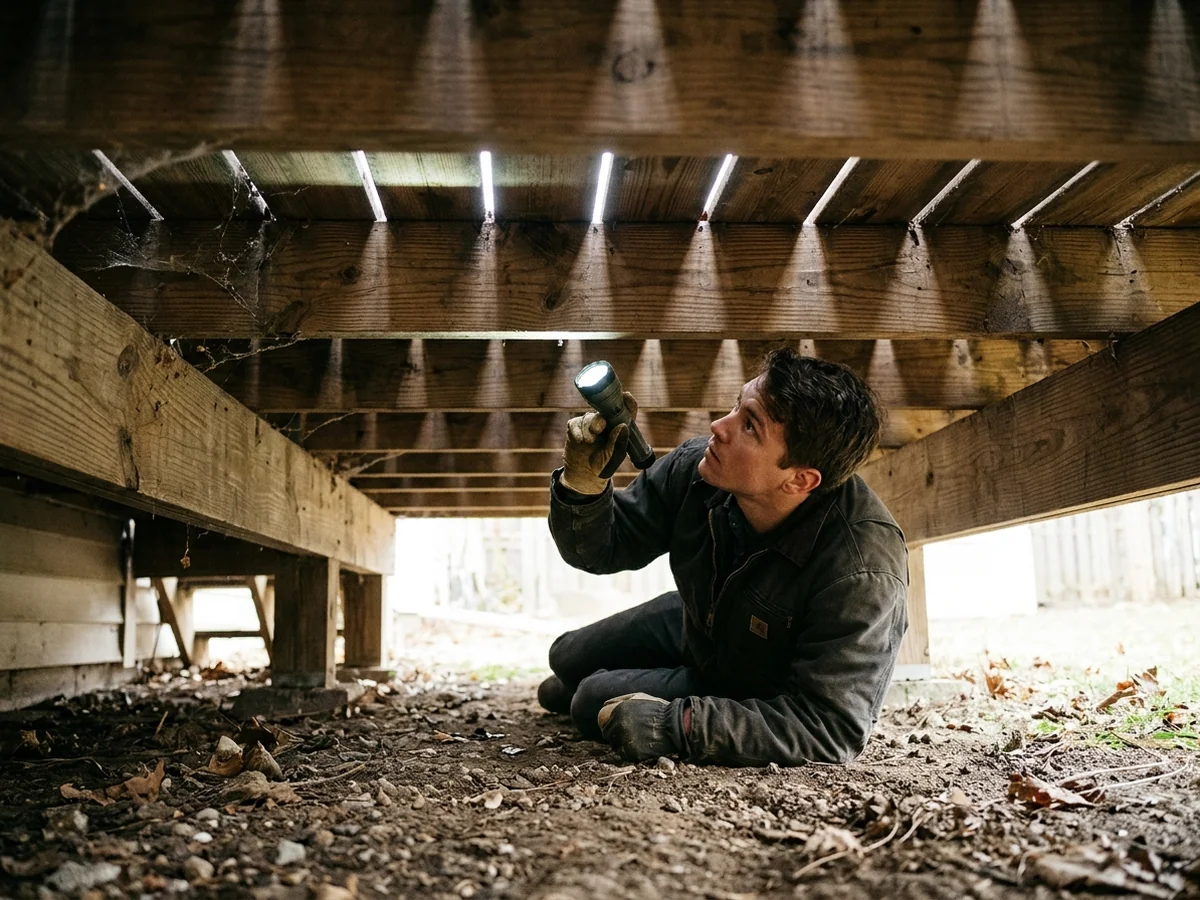
Identifying if your raised deck is a primary entry point for pests involves observing where activity is most intense. If you notice mosquitoes congregating near your feet or hovering around the perimeter of your outdoor seating area, the gaps between your floor boards are likely acting as conduits. These openings allow insects to travel from the shaded, humid environment beneath your joists directly into your living space.
Successfully managing this requires a clear understanding of your deck structure and the materials best suited for blocking these pathways. Eliminating entry points is a key strategy for managing local populations near your home.
Evaluating Your Deck Structure
Before you commit to a specific method for how to screen under a deck, perform a thorough inspection. Start by checking the uniformity of your board spacing. Wider gaps may require more robust materials like hardware cloth, while smaller, consistent gaps can often be managed with standard insect screening.
Additionally, examine the condition of your joists. Because you will be attaching a barrier to the underside of the frame, the wood must be solid enough to hold staples or fasteners. If your structure uses pressure treated lumber, ensure it is dry and free of excessive rot or moisture damage before starting any installation.
Selecting the Right Barrier Material
The choice of material significantly impacts the effectiveness of your deck gap mosquito prevention strategy. While fiberglass insect screen is a common option for windows, it may be too fragile for the underside of a deck where it faces exposure to debris and varying weather conditions.
Many homeowners find that using a more durable mesh, such as vinyl-coated fiberglass or metal hardware cloth, provides a longer-lasting solution. When applying mesh under deck floor boards, your goal is to create a taut, continuous seal that prevents insects from finding any weak points to slip through.
Common Installation Pitfalls
A common mistake when stopping bugs through deck boards is failing to account for utilities or existing obstacles. Before you begin, identify any plumbing, electrical conduits, or support posts that pass through your deck frame. These areas are frequent gaps where pests can bypass your screening.
To address these, cut your material carefully to fit snugly around these obstructions and use joist tape or additional fasteners to secure the edges. Proper tension is also vital. If the mesh hangs too loosely, it may create pockets where moisture collects, potentially damaging the wood over time.
Using a high-quality staple gun to secure the material every few inches ensures the barrier remains tight and functional. By taking these methodical steps, you create an effective physical deterrent that allows you to enjoy your outdoor space without the constant presence of unwanted insects.
Why Mosquitoes Thrive Under Decks
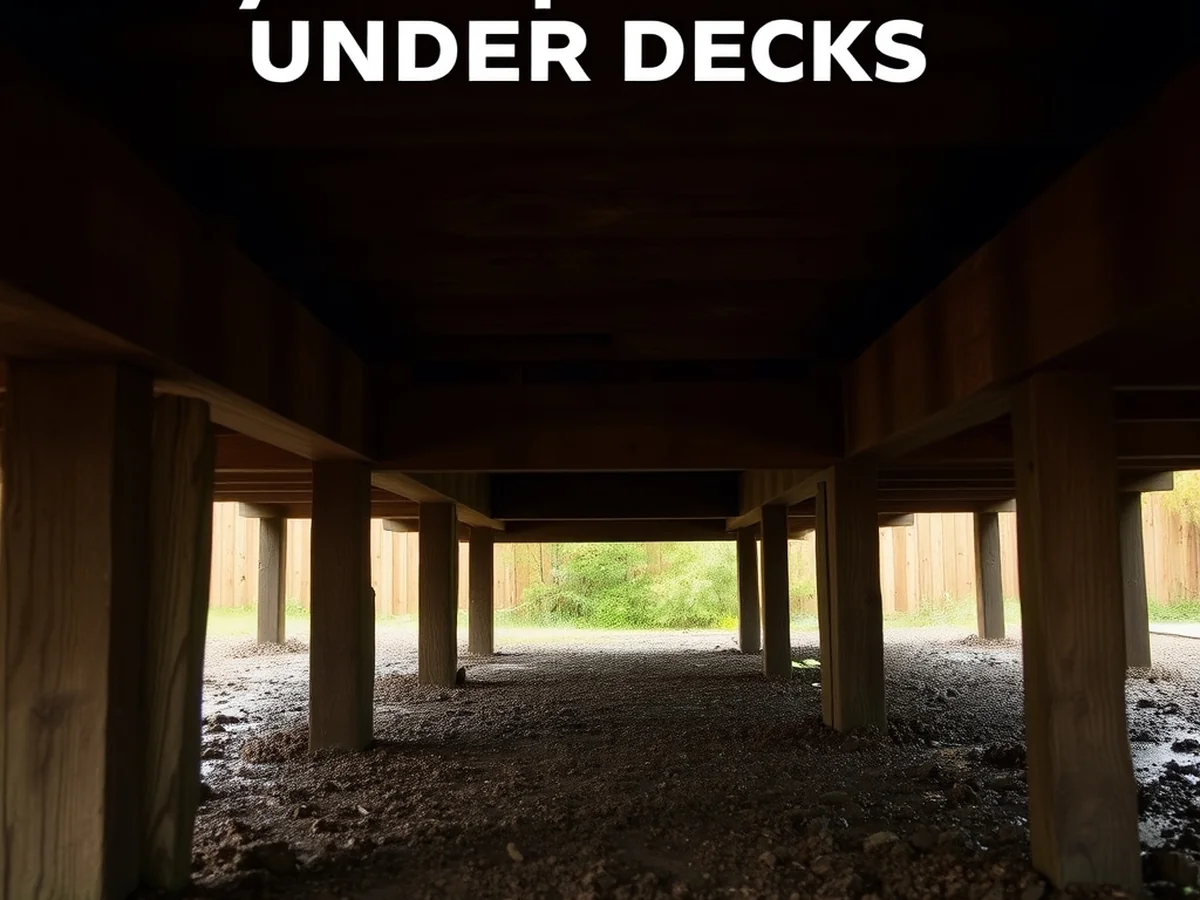
Raised decks often become unintended havens for mosquitoes because they provide the specific environmental conditions these insects require to survive. Mosquitoes seek out areas that remain cool, humid, and sheltered from direct sunlight and wind during the heat of the day. The space beneath a deck, particularly one elevated from the ground, creates a dark microclimate that protects them from dehydration. When moisture accumulates in this area, it transforms a simple crawl space into a consistent harbor for resting pests.
The gaps between floor boards serve as convenient travel corridors. Because mosquitoes are attracted to the carbon dioxide and heat generated by people, they easily navigate the openings between decking materials to reach the surface. Once they emerge, these gaps provide a direct flight path that allows them to congregate exactly where you dine or relax.
Assessing the Source of Moisture
Beyond the structural gaps, the ground conditions beneath your deck often dictate the severity of the infestation. The Centers for Disease Control and Prevention emphasizes the importance of removing stagnant water sources to control local populations. Even small amounts of water, such as those caused by poor drainage, clogged gutters, or condensation dripping from above, can turn the area beneath your deck into a breeding site. Regularly inspecting the ground for standing water is a necessary step before attempting to install any physical barriers.
Physical Deterrents and Barriers
To effectively stop mosquitoes through deck floor gaps, homeowners often look toward screening solutions. While there are various methods for deck gap mosquito prevention, the most common approach involves installing a protective layer against the underside of the joists. Using materials like fiberglass insect screen or fine hardware cloth can physically block the insects from rising through the gaps.
When planning to install mesh under deck floor boards, consider the following practical steps:
- Clear all debris and vegetation from beneath the structure to improve airflow.
- Ensure the ground is graded to prevent water from pooling under the joists.
- Choose a durable, weather-resistant screen material that can withstand damp conditions.
- Use a staple gun to secure the mesh tightly against the joist system, ensuring no large openings remain at the edges.
A common mistake is failing to seal the perimeter. Even if the majority of the deck is covered, gaps around posts or ledger boards can provide entry points. Stopping bugs through deck boards is rarely about one single fix but rather a combination of managing the environment and sealing the structural gaps. By focusing on both landscape maintenance and consistent installation of screening, you can significantly reduce the ability of these pests to use your deck as a staging point for entering your living area.
Selecting The Right Mesh Material
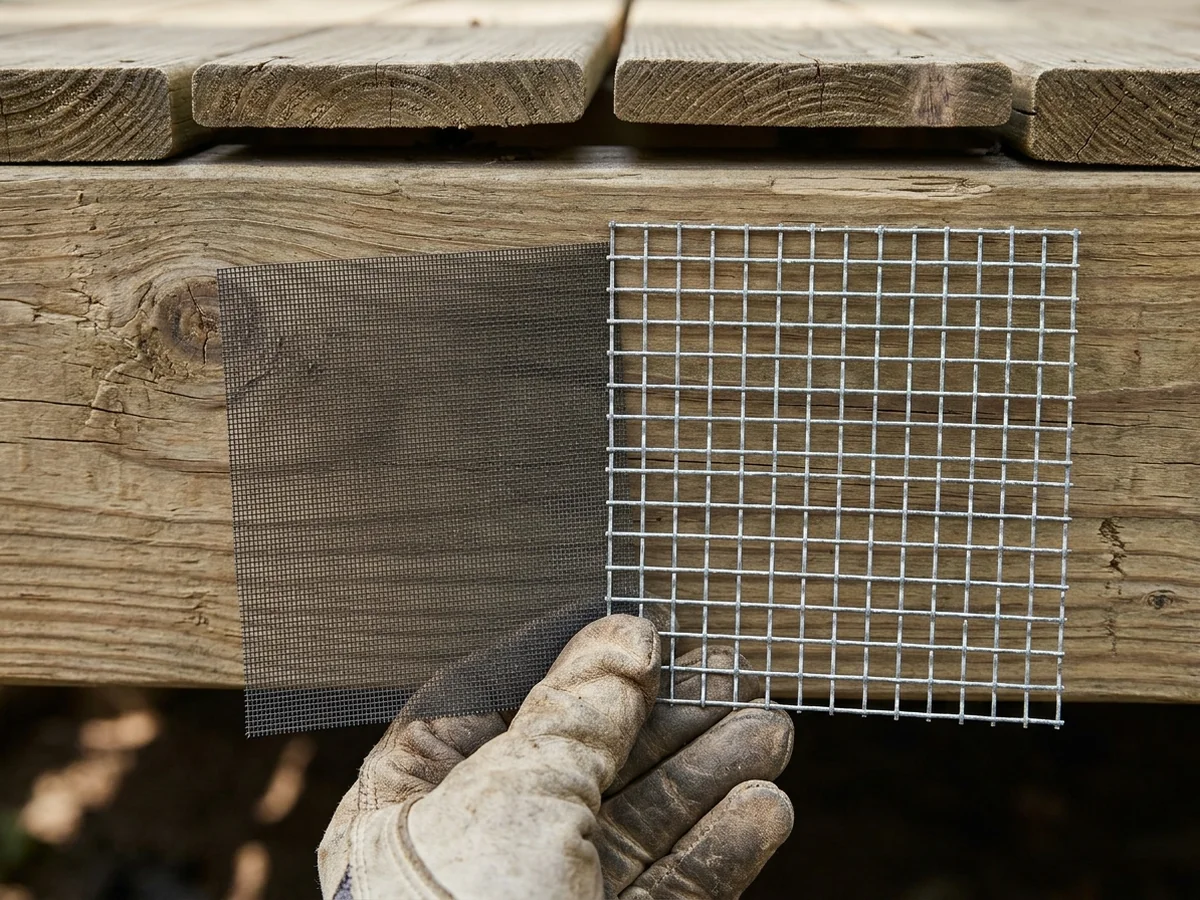
Choosing the correct barrier material is the most important step when you want to stop mosquitos through deck floor gaps. Your selection should balance the need for insect exclusion with the long-term structural requirements of your outdoor space. While several materials are available, understanding their specific applications ensures you do not waste time on a solution that fails to stop pests.
| Feature | Fiberglass Insect Screen | Hardware Cloth |
|---|---|---|
| Primary Use | Insect exclusion | Pest/rodent exclusion |
| Visibility | High | Low |
| Airflow | Moderate | High |
| Durability | Low | High |
Evaluating Material Density
When you aim to stop mosquitos through deck floor gaps, the aperture size is your most important metric. Fiberglass insect screen is specifically manufactured with a weave tight enough to block small flying insects. In contrast, standard hardware cloth consists of galvanized steel wire with openings often too wide to prevent mosquitoes from passing through. While hardware cloth provides excellent protection against larger rodents that might damage pressure treated lumber or insulation, it will not function as an insect barrier on its own. If your primary goal is managing biting insects, a fine-weave fiberglass screen is the industry standard.
Balancing Durability and Installation
The method you choose for how to screen under a deck depends on the environment. Fiberglass is lightweight and easy to manipulate, which makes it ideal for covering wide spans between joists. However, it is prone to tearing if it contacts sharp edges or debris. To increase longevity, ensure that your joists are free of protruding nails or staples before installation. If you opt for hardware cloth, you will need a heavy-duty staple gun and potentially a partner to help hold the material in place while you secure it. Some homeowners choose to layer these materials, using hardware cloth as a structural base with fiberglass screen attached to the underside to capture smaller insects.
Common Material Mistakes
A common error is assuming all mesh materials are designed for exterior exposure. Always check the product specifications to ensure the material is weather-resistant. Using interior-grade screening often leads to rapid degradation when exposed to humidity and changing temperatures under a deck. Furthermore, failing to account for the thickness of the material can make it difficult to reattach deck boards. Always measure the clearance you have between your joists and the underside of your decking to ensure the added bulk of the mesh does not interfere with the fit of your boards.
Steps For Installing Under Deck Mesh
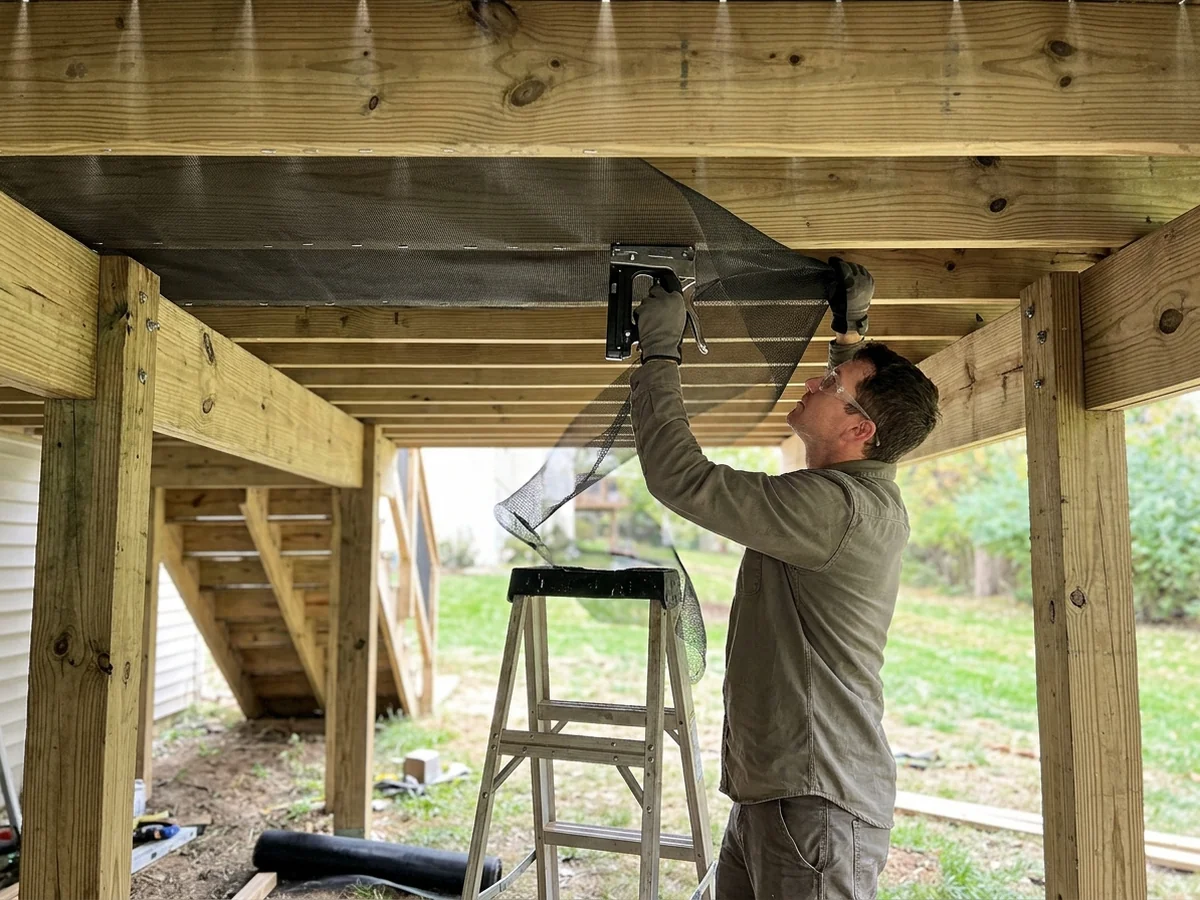
You can effectively stop mosquitos through deck floor gaps by securing insect screening directly to the underside of your deck joists. This process creates a physical barrier that prevents pests from flying up between your decking boards.
- Clear away any debris or cobwebs from the underside of the deck to ensure you have a clean surface for the mesh.
- Apply joist tape along the bottom edge of every joist to create a protective, moisture-resistant barrier at your attachment points.
- Measure the distance between your joists and cut your chosen insect screening into manageable strips that provide a slight overlap.
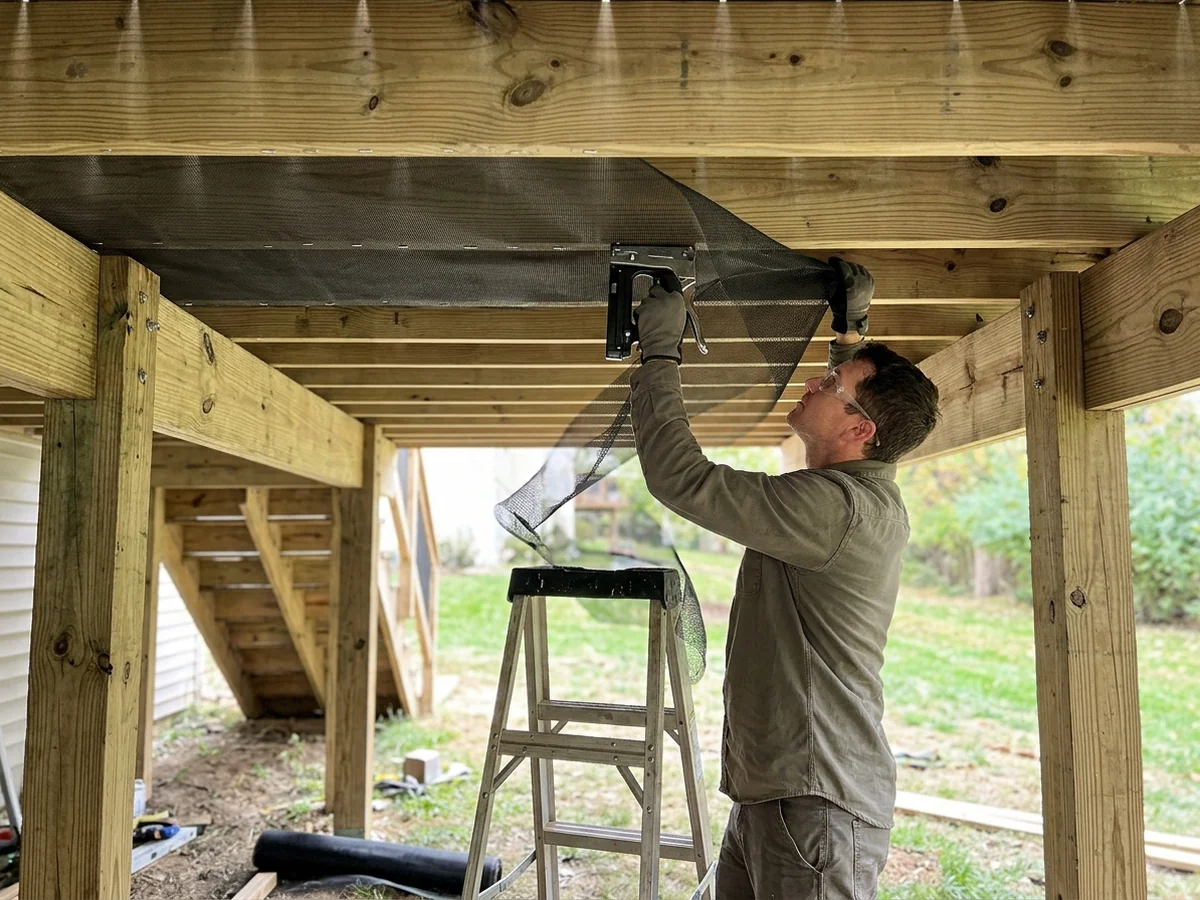
- Using a heavy-duty staple gun, attach the screen to the joists while pulling the material taut to avoid any sagging or loose pockets.
- Ensure you maintain a tight, continuous seal around the perimeter and where the mesh meets the house or support beams to block all potential entry points.
- Double check your work by inspecting the underside for any small gaps where the screen may have pulled away from the wood.
Using joist tape is a critical step in this process. Since you are attaching mesh directly to the structural framing, moisture can become trapped between the screening and the wood. This tape prevents rot by creating a buffer, ensuring your deck remains structurally sound while you complete this DIY project for keeping bugs out of your floor boards. It also provides a slightly tacky surface that can help hold the mesh in place while you fire the staple gun.
Focus on maintaining consistent tension as you move along each joist. If the mesh is too loose, mosquitoes can find their way around the edges or push through gaps created by the slack. A staple gun with a wide crown is often the most efficient tool for this task, as it provides enough surface area to grip the screening without tearing through it. By keeping the material flat and secure, you create a long-term solution for blocking these gaps beneath your floor boards.
Common Installation Mistakes To Avoid
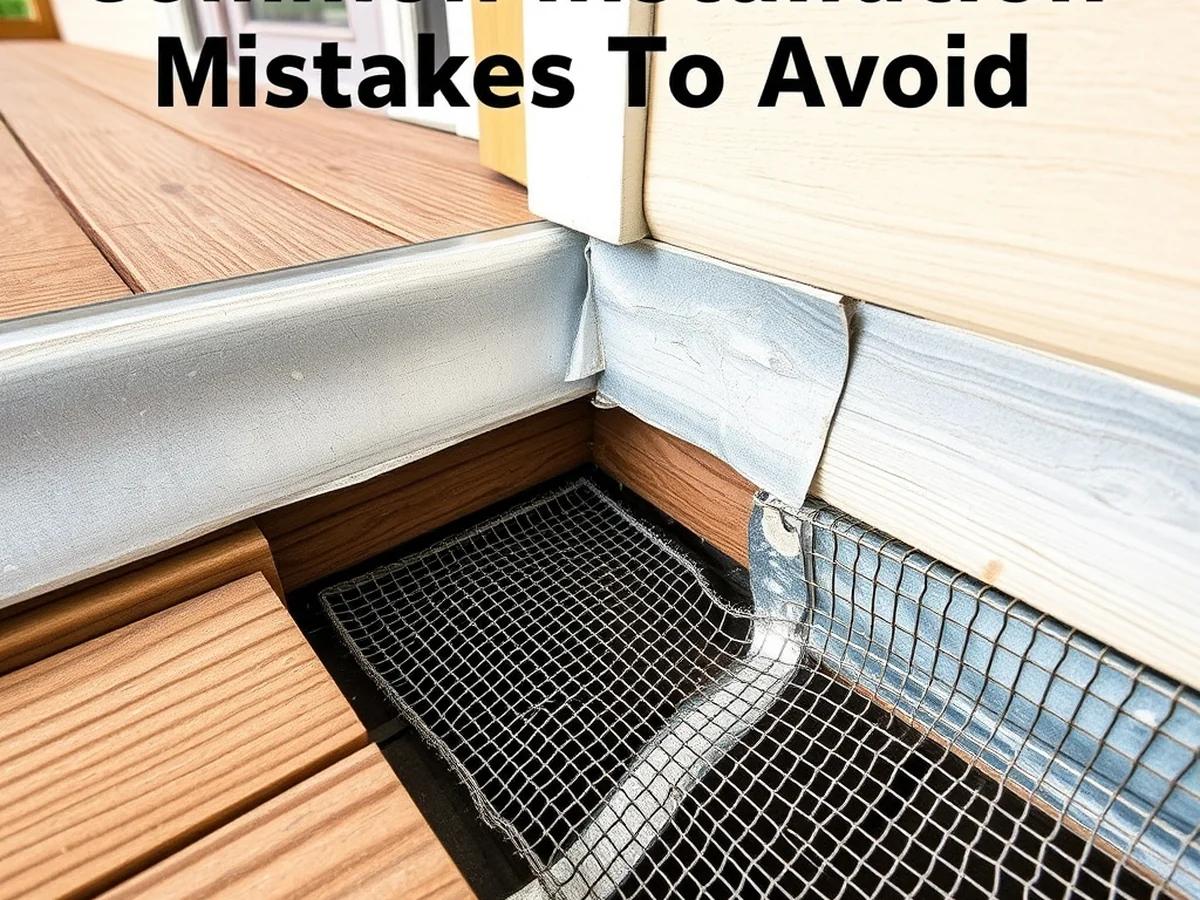
Effective pest exclusion requires meticulous attention to detail, particularly at the connection points between the deck and the surrounding structure. Failing to seal these transition zones creates easy entry points for insects, which renders the entire screening effort ineffective. Whether you are using fiberglass insect screen or heavy duty hardware cloth, the goal is to create a seamless barrier that prevents pests from navigating through the gaps in your decking.
Ignoring the Perimeter Seal
The most frequent error when installing protection beneath a deck is focusing only on the center area. Mosquitoes are persistent and will find any opening along the ledger board or outer rim joists. Neglecting the perimeter where the deck meets the house often leaves gaps wide enough for insects to bypass your mesh entirely. To achieve successful results when you want to stop mosquitos through deck floor gaps, you must ensure the screen is tightly fastened to the framing members at every edge. Using a staple gun to secure the mesh is a standard approach, but adding furring strips over the edges provides an extra layer of protection that keeps the material from sagging or pulling away over time.
Compromising Material Integrity
The materials you choose and how you install them directly impact the longevity of your deck. Avoid using non-porous materials or solid plastic sheeting underneath your joists. These materials trap moisture against pressure treated lumber, leading to premature rot and structural damage. Proper airflow is essential for the health of your wooden framing. If you block ventilation, you create a humid, stagnant environment that can encourage mold growth and decay. Always prioritize breathable materials that allow air and water to circulate naturally while maintaining a tight enough weave to block insects.
Improper Tension and Fastening
When installing mesh underneath your decking floor boards, avoid over-stretching the material during the initial application. While it is tempting to pull the screen as tight as possible, excessive tension can cause the mesh to tear or pull away from the staples under its own weight or during temperature fluctuations. A secure installation should be taut but not under extreme stress.
Furthermore, ensure your fasteners are appropriate for the material. If you are working with heavier hardware cloth, standard staples may not be sufficient to hold the weight long-term. Using galvanized nails or specialized fasteners ensures that the barrier remains intact throughout the season. The process of blocking insects through deck boards is a matter of total enclosure. By taking the time to seal every transition zone and choosing the right breathable materials, you create a functional, long-lasting barrier that allows you to enjoy your outdoor space without the constant intrusion of mosquitoes.
Maintaining Your Mosquito Barrier
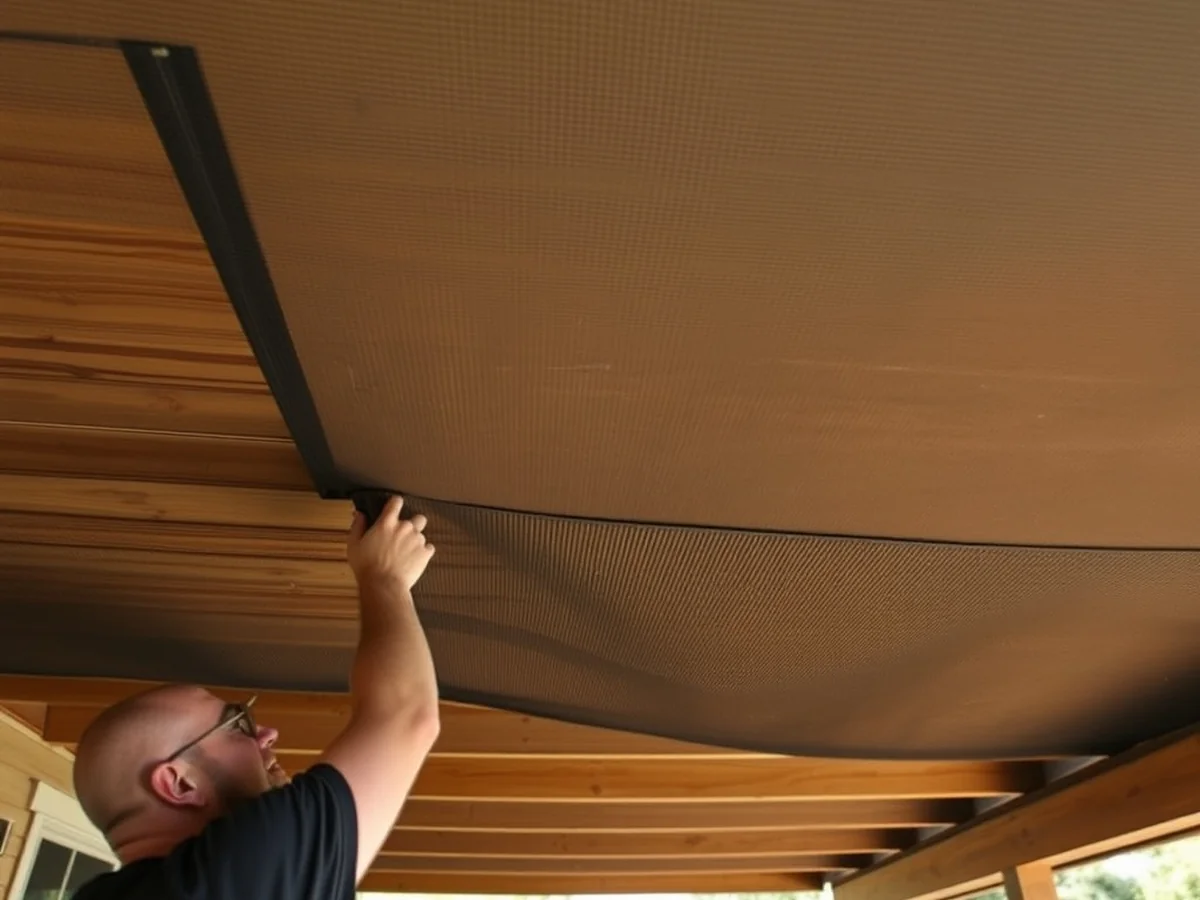
Regular maintenance ensures that your mesh remains a reliable shield against pests creeping upward through your deck floor boards. Inspecting the material for damage is the most effective way to keep your outdoor space comfortable throughout the warmer months.
You should walk beneath your deck at the start of every season to check for tears, loose staples, or sagging areas in the screening. Even small holes can provide enough space for insects to bypass your defenses. If you find gaps where the mesh has pulled away from the joists, use a staple gun to reattach it securely. Addressing these minor issues promptly prevents them from becoming larger problems that require a full replacement of your protective screening.
Debris accumulation is a common issue that can shorten the lifespan of your insect screen. Leaves, twigs, and dirt often settle on top of the mesh or get trapped against the joists. This organic material holds moisture, which can lead to premature rust on metal hardware or decay in the wooden frame. You must clear away this debris regularly to maintain airflow and prevent the screen from sagging under the weight of wet matter.
Seasonal care is vital for keeping your outdoor area free of pests. Before the weather turns warm, perform a thorough inspection to ensure the barrier remains taut and fully sealed against the framing. If you notice signs of degradation, such as brittle fiberglass or corroded hardware cloth, replace the damaged sections immediately.
- Check for sagging spots caused by trapped leaves or heavy moisture buildup.
- Ensure all perimeter seals are intact to prevent insects from finding alternative entry points.
- Clean away cobwebs or dirt that might obstruct the view or compromise the integrity of the mesh.
- Verify that all staples or fasteners remain tight against the pressure treated lumber.
Consistent upkeep protects your investment and keeps your deck usable. By dedicating a small amount of time to these checks, you sustain an effective, long-lasting barrier that keeps your outdoor living area pleasant and free of unwanted visitors.
When To Consult A Professional

While many homeowners manage keeping insects away from deck gaps as a weekend project, certain structural realities make professional assistance a safer and more effective choice. If you are unsure about the integrity of your substructure or if the physical labor involved exceeds your comfort level, bringing in a contractor or pest management specialist ensures the job is done correctly without damaging your investment.
Assessing Structural Complexity
You should consider professional help if your deck features intricate framing, low ground clearance, or irregular support beams. Attempting to install protective screening beneath deck floor boards in tight spaces often leads to gaps where pests can still enter. Professionals have access to specialized tools and the experience required to maneuver around joists, electrical conduits, and plumbing lines that might be hidden beneath your boards. If your deck uses pressure treated lumber with unique spacing or custom built-in seating, a contractor can provide a custom screening solution that maintains airflow while effectively stopping insects from passing through deck boards.
Safety and Access Limitations
Working in the crawl space beneath an elevated deck presents significant physical hazards. These areas are often cramped, poorly lit, and may contain uneven terrain or hidden debris that makes the use of a staple gun or cutting tools dangerous. Professionals arrive equipped with proper lighting, protective safety gear, and the training to navigate these enclosed, often claustrophobic environments. Attempting this work yourself without proper access can lead to injury or an uneven installation that fails to provide a secure barrier against mosquitoes.
When Persistent Issues Require Experts
If you have already attempted to install screening under a deck but continue to notice a high number of insects, the problem may extend beyond simple gaps in the flooring. Persistent infestations often indicate that mosquitoes are breeding in standing water near the foundation or finding alternative entry points. In these instances, a professional pest control service is necessary. They can perform a comprehensive property inspection to identify specific breeding sites. Managing mosquito populations effectively often requires a multi-faceted approach that goes beyond physical barriers alone. Experts can offer targeted management strategies that address the root cause of the activity rather than just masking the symptoms.
- Hire a professional if your deck ground clearance is too low for safe human access.
- Contact a contractor for complex framing or custom builds to ensure a durable, flush seal.
- Consult a pest control specialist if you suspect nearby breeding grounds or if physical barriers fail to reduce insect levels.
FAQ
Will screening under my deck completely stop mosquitos?
Screening provides a significant barrier to stop mosquitos through deck floor gaps, but it may not eliminate them entirely. Mosquitos can still fly around the perimeter of the deck or enter through other nearby openings in your yard.
What type of material works best for keeping bugs away from deck floor gaps?
Fine mesh fiberglass insect screen is generally the preferred choice for this project. It is flexible enough to handle the installation process while remaining durable enough to block small insects from passing through your floorboards.
Is it difficult to install mesh beneath the decking?
Installing mesh beneath the decking requires working in tight spaces, so it is often a two-person job. You will need to carefully staple the material to the joists, ensuring there are no gaps where pests could bypass the barrier.
Do I need to treat the wood before installing screening?
If you have exposed pressure treated lumber, ensure it is completely dry before applying any adhesive or staples. Some homeowners use joist tape to create a clean surface for attaching the mesh and to protect the structural integrity of the wood.
Can I use hardware cloth instead of insect screening?
Hardware cloth is excellent for keeping out larger animals like rodents, but its openings are typically too wide to effectively block mosquitos. For optimal results when trying to stop mosquitos through deck floor gaps, stick to a fine-weave insect screen material.
Does the Centers for Disease Control and Prevention suggest screening as a solution?
The Centers for Disease Control and Prevention emphasizes the importance of keeping mosquitoes out of living areas to reduce the risk of bites. While they focus on window and door screens, the principle of using physical barriers to prevent entry remains a standard recommendation for managing local populations.
Conclusion
The primary decision point involves choosing between a temporary fix, such as applying joist tape to smaller gaps, or a permanent barrier like installing fiberglass insect screen beneath the entire structure. Assess your deck’s accessibility and the severity of the infestation to determine which approach best suits your outdoor space. If you prioritize long-term relief, securing fine mesh to the underside of the floor joists is the most reliable way to prevent pests from passing through deck floor boards. Evaluate your budget and available time before starting your installation project to ensure the chosen method effectively seals off entry points for insects.
You might also like: Bottom Screen Guard Rails: Preventing Dogs from Pushing Through Porch