Bottom Screen Guard Rails: Preventing Dogs from Pushing Through Porch Screens
Bottom screen guard rails are an effective, structural solution for preventing dogs from pushing through porch screens and causing expensive damage. These physical barriers provide a rigid defense that withstands the weight and energy of active pets, ensuring your outdoor living space remains secure and intact. By installing a dedicated guard, you eliminate the constant need for screen replacement while maintaining essential airflow and visibility.
This article examines the various materials, installation methods, and design considerations that help homeowners protect their property from persistent scratching and jumping. You will gain a clear understanding of how to select the right barrier to keep your pets safe and your porch enclosure in pristine condition throughout the year.
Understanding the Mechanics of Screen Failure

Screen mesh is designed primarily to keep insects out, not to act as a structural wall for large animals. When a dog jumps against a standard fiberglass or polyester mesh, the material often stretches, pops out of its spline, or tears completely.
This creates a significant gap that allows the dog to escape or further destroy the enclosure. Even pet-resistant screens, which are thicker than standard options, have limits when faced with a large, determined dog.
The pressure exerted by a leaping dog is concentrated on a small surface area, which leads to rapid material fatigue. Once a small hole appears, a dog’s natural instinct to enlarge it accelerates the degradation of the surrounding frame.
Many homeowners find themselves replacing entire screen panels multiple times a season. This cycle is both costly and frustrating, especially when the underlying structural weakness of the screen frame remains unaddressed.
The Role of Bottom Screen Guard Rails
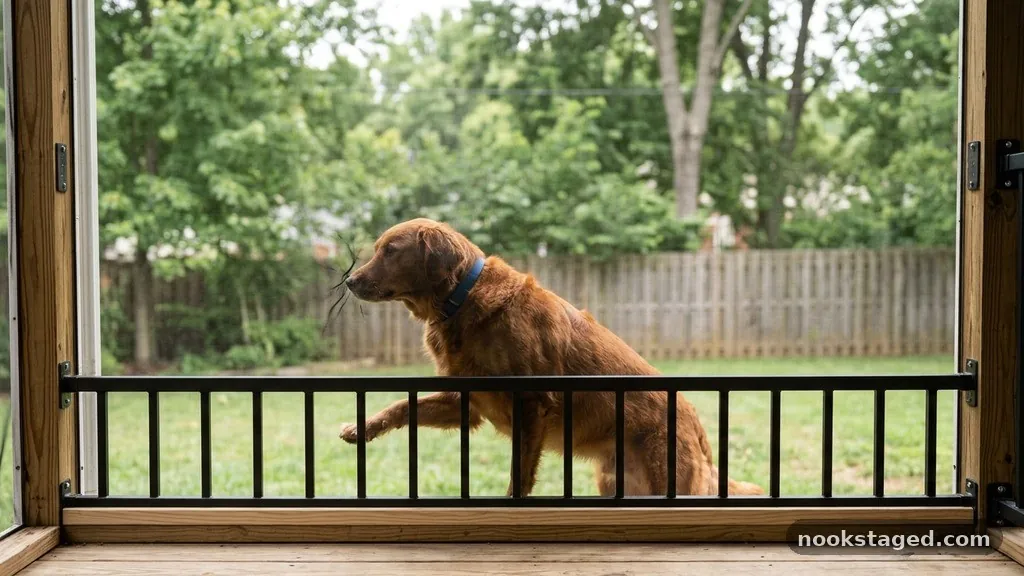
Bottom screen guard rails function as a secondary structural layer that absorbs the impact of a dog. Instead of the mesh taking the force of a collision, the guard rail catches the dog’s weight and redirects it back into the porch frame.
These rails are typically installed at a height corresponding to the dog’s shoulder or chest level, which is where most impact occurs. By acting as a solid barrier, they effectively prevent the dog from making contact with the delicate mesh material.
These guards are often constructed from aluminum, vinyl, or wood, matching the aesthetic of your existing porch. They provide a clear visual boundary for pets, which can help discourage them from trying to push through in the first place.
When a dog realizes the barrier is solid and immovable, they are less likely to continue the behavior that leads to screen damage. This creates a more peaceful environment for both the owner and the animal.
Comparing Materials for Pet Protection
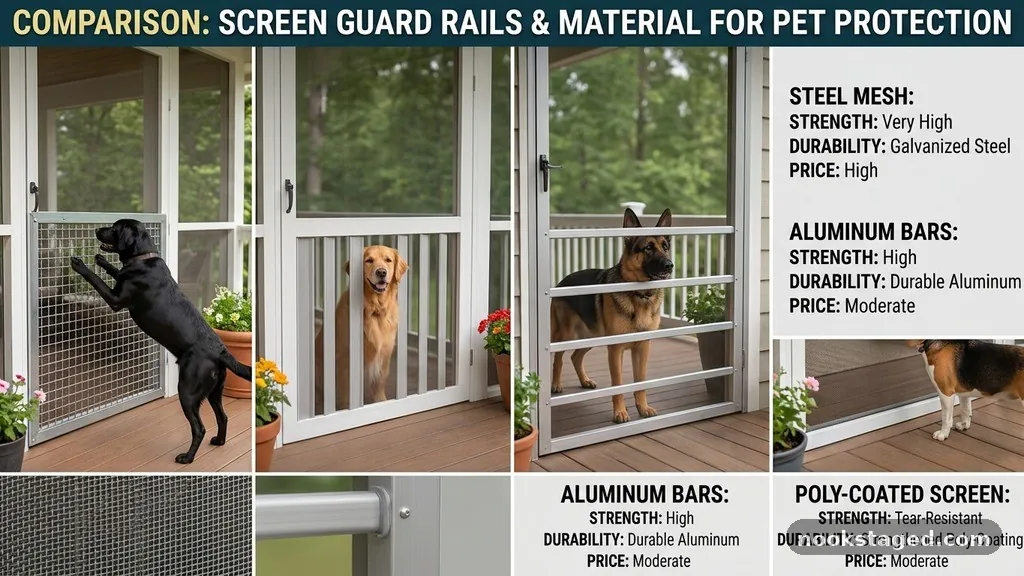
Selecting the right material for your guard rail depends on your specific porch design and the size of your dog. Aluminum is a popular choice because it is lightweight, rust-resistant, and can be powder-coated to match the existing screen frame.
Vinyl options are also common, offering a maintenance-free solution that won’t rot or splinter over time. For those with a more traditional aesthetic, wood rails provide a substantial, sturdy feel that integrates well with exterior trim.
| Material | Durability | Maintenance | Cost Profile |
|---|---|---|---|
| Aluminum | High | Low | Moderate |
| Vinyl | Moderate | Very Low | Budget-Friendly |
| Pressure-Treated Wood | Very High | Moderate | High |
| Composite | Very High | Low | Premium |
Each of these materials has unique installation requirements that you should consider before purchasing. Aluminum often requires specific brackets or fasteners that align with the existing screen spline system.
Vinyl might need a frame-in-frame approach, which can slightly reduce the overall screen area. Regardless of the material, the key is ensuring the mounting points are securely anchored into the structural posts of the porch.
Installation Techniques for Maximum Security
Proper installation is the most critical factor in ensuring your guard rails remain effective over the long term. If the rail is not securely fastened to the vertical porch posts, a strong dog can knock the entire guard off.
You should use heavy-duty screws or bolts that penetrate deep into the structural members of the enclosure. Avoid relying solely on adhesive or light-duty fasteners, as these will likely fail under the repeated impact of a large dog.
Consider the height of your pet when positioning the rail. A guard that is too low will allow the dog to jump over it, while one that is too high might be visually intrusive.
Most experts recommend placing the top edge of the rail between 24 and 36 inches from the floor, depending on the height of your dog. This placement covers the “impact zone” while still allowing for adequate airflow and a clear view through the lower portion of the screen.
Integrating Guards with Sliding Screen Doors
Sliding screen doors pose a unique challenge because they are often the weakest point in a porch enclosure. These doors are typically lightweight and can easily be pushed out of their tracks by a determined pet.
Installing a dedicated sliding screen door protector is essential for these areas. These protectors are often designed as a sliding or hinged panel that moves with the door, providing a constant barrier.
If a full-sized guard rail is not feasible for a sliding door, consider adding a smaller, custom-fitted kick plate or grille. These accessories can be attached directly to the door frame to reinforce the lower mesh area.
When choosing a solution for a slider, ensure it does not interfere with the door’s ability to roll smoothly. Heavy-duty hardware upgrades, such as metal rollers or locking mechanisms, can also provide extra security against accidental door openings.
The Benefits of Pet-Resistant Mesh Upgrades
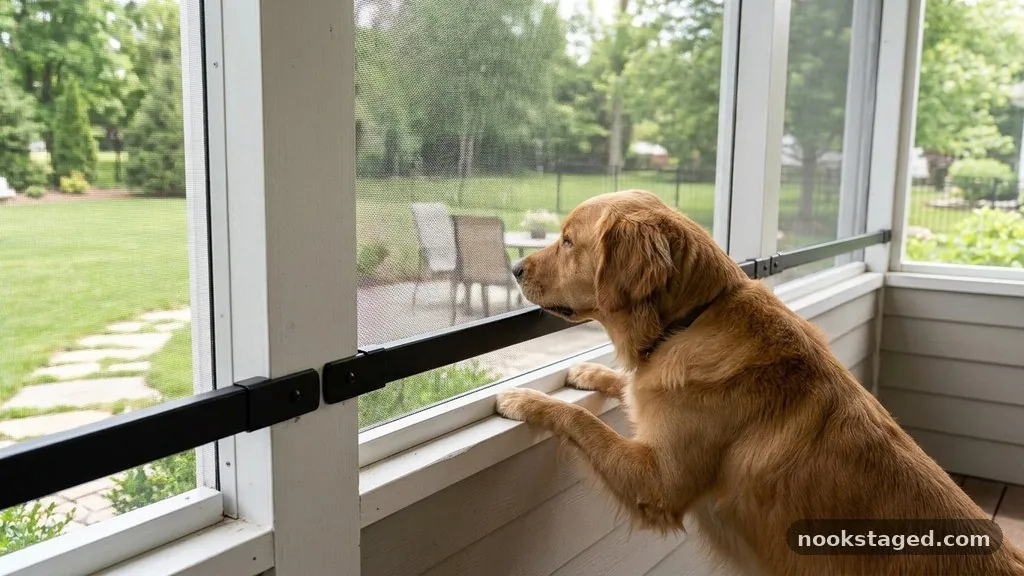
While bottom screen guard rails handle the physical impact, upgrading your actual screen mesh can provide an extra layer of protection. Pet-resistant screens are made from high-tensile, vinyl-coated polyester that is significantly stronger than standard fiberglass.
These meshes are designed to resist tearing from claws and provide a smoother surface that is less tempting for dogs to scratch. Combining these screens with a physical guard rail creates a “layered defense” strategy.
This combination is particularly useful for homes where multiple pets are present. Even if a dog manages to get a claw into the mesh above the guard rail, the material is sturdy enough to prevent a full breach.
You can learn more about proper home maintenance and exterior safety standards through the International Association of Certified Home Inspectors to ensure your porch remains a safe, long-term asset. When selecting mesh, look for products specifically labeled for pet resistance to ensure you are getting the necessary thickness and durability.
Design Considerations for Curb Appeal
Many homeowners worry that adding guard rails will make their porch look like a cage. However, modern designs are sleek, minimalist, and often blend seamlessly into the existing architecture.
You can choose colors that match your window trim or the porch framing to ensure the guards appear as a intentional design feature. Using thin-profile materials can help maintain the open, airy feel of the space while still providing structural integrity.
Think about the sightlines from inside your home. If you have a beautiful view, avoid using wide, solid panels that obstruct the horizon. Instead, opt for horizontal bars or a lattice-style guard that provides both protection and visibility.
Custom fabrication is often an option if you have an unusually shaped porch or require a specific aesthetic finish. A well-designed guard rail can actually enhance the look of your home while solving a functional problem.
Training Strategies to Complement Physical Barriers
Physical barriers are only one part of the equation; training your dog to respect the porch boundary is equally important. Even with a guard rail installed, constant jumping can cause wear and tear on the surrounding frame and furniture.
Use positive reinforcement to teach your dog that the porch is a place for calm relaxation rather than high-energy activity. Providing plenty of toys and engagement during outdoor time can also reduce the boredom that often leads to destructive scratching.
If your dog is particularly persistent, consider using deterrents like pet-safe scent sprays or motion-activated devices near the screen. These tools can reinforce the boundary established by the guard rail.
Consistency is key when training; every member of the household must enforce the same rules. When your dog learns that the screen is not a toy, the physical guards will experience significantly less stress, extending their lifespan indefinitely.
Maintaining Your Screen Protection System
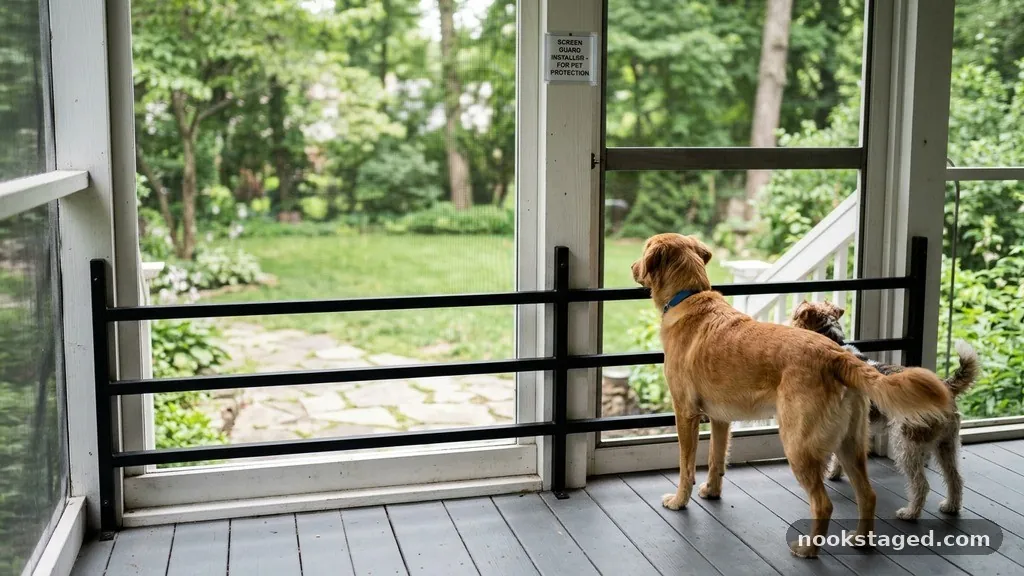
Even the most robust guard rails require occasional maintenance to ensure they remain secure. Check the mounting screws every few months, especially after extreme weather or high-activity periods.
Vibration and temperature changes can cause fasteners to loosen over time, which compromises the integrity of the barrier. A quick tightening session once or twice a year is usually all that is needed to keep the system in top shape.
Clean the rails regularly to prevent the buildup of dirt, salt, or debris that could cause corrosion. If you have powder-coated aluminum, a simple wipe-down with mild soap and water will keep the finish looking new.
Inspect the screen mesh surrounding the rails for any signs of fraying or loose splines. Addressing small issues early prevents them from becoming larger, more expensive problems that require a full screen replacement.
Evaluating the Return on Investment
The cost of installing guard rails is minimal compared to the recurring expense of screen repairs and replacements. If you currently replace your screen panels every year or two, you will likely see a full return on your investment within a very short timeframe.
Beyond the financial savings, you gain peace of mind knowing your pets are safe and your home is secure. The reduction in labor and the elimination of the “porch-fixing” cycle are significant benefits that improve your quality of life.
Consider the added value to your property as well. A well-maintained, pet-proofed porch is an attractive feature for potential buyers who have their own animals.
It demonstrates that you have taken care of the home and anticipated the needs of a modern, pet-friendly household. When you view the installation as an improvement to your home’s infrastructure rather than a temporary patch, the value becomes clear.
Frequently Asked Questions
Are bottom screen guard rails universal for all types of porches?
No, they are not universal. Most guard rails must be customized or selected based on the dimensions of your specific porch framing. You will need to measure the distance between your vertical posts and the depth of your frame channels to ensure a proper fit.
Can I install these guards myself, or do I need a professional?
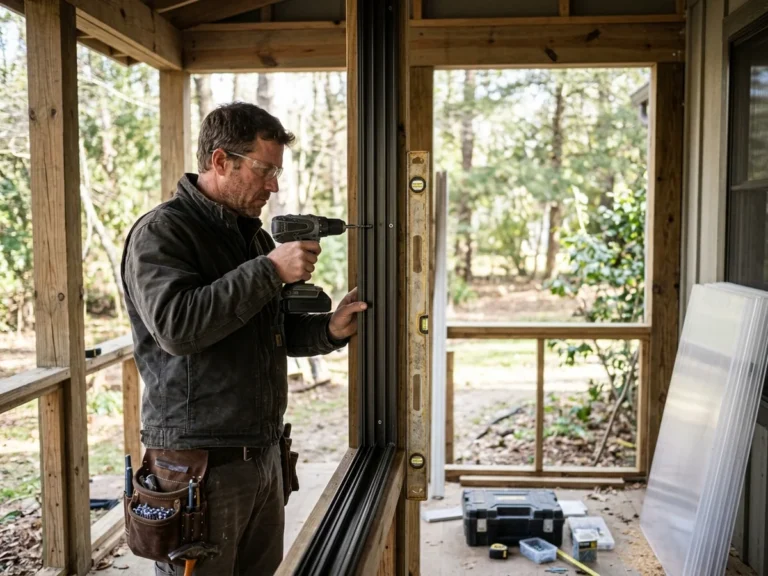
If you have basic DIY skills and the right tools, you can certainly install them yourself. Most kits come with clear instructions and necessary hardware. However, if your porch has complex angles or you aren’t comfortable working with metal or wood framing, hiring a handyman is a smart choice.
Will these rails block the view from my porch?
It depends on the design you choose. Thin, horizontal bars or clear acrylic panels provide minimal obstruction to your view. If you opt for solid wood or thick metal panels, you will notice a change in your sightline, so choose a style that balances your need for protection with your desire for scenery.
What is the best way to clean the area behind the guard rail?
Most guard rails are designed with a small gap or can be easily removed for cleaning. A long-handled duster or a vacuum attachment can usually reach behind the rail to clear away cobwebs and debris. If the guard is bolted in place, a simple rinse with a garden hose is often sufficient for routine cleaning.
Do these guards protect against cats as well as dogs?
Yes, they are highly effective against cats. Because cats often climb screens, a vertical barrier at the bottom is very helpful. However, if your cat is an expert climber, you might need to install a taller guard or a full-height screen protector to prevent them from scaling the mesh above the rail.
Ensuring Long-Term Porch Security
Investing in bottom screen guard rails is the most effective way to protect your home from the inevitable damage caused by active pets. By creating a rigid, physical barrier, you save yourself the recurring costs and frustration of constant screen repairs. These guards offer a balance of functionality and aesthetics, allowing you to enjoy your outdoor space without worry.
Whether you choose aluminum, vinyl, or wood, the key is to ensure secure installation and regular maintenance to keep the system working as intended. Taking these steps today ensures your porch remains a safe, comfortable, and beautiful environment for your entire family for years to come. Reach out to a local hardware professional or a home improvement specialist to discuss the best options for your specific enclosure requirements.